

Category Archives: Medical

Fetal Asphyxia: Causes, Birth Injuries, and Medical Negligence
Fetal asphyxia occurs when a fetus or newborn does not receive adequate oxygen because blood flow or gas exchange has been significantly impaired before, during, or immediately after birth. A prolonged or severe oxygen shortage can cause damage to the brain and other organs and may result in permanent disabilities. For families facing these… Read More

Failure to Monitor Maternal Conditions During Pregnancy
Pregnancy requires regular monitoring because a mother’s health can change significantly as the pregnancy progresses. Conditions that develop during pregnancy, or even some that existed before conception, can affect both the mother and the developing baby. When these conditions are not identified, monitored, or appropriately managed, the consequences can include premature birth, oxygen deprivation,… Read More

Contraindicated Vaginal Delivery and California Birth Injury Claims
Vaginal delivery is appropriate for many pregnancies, but there are circumstances in which continuing with a vaginal birth may place a mother or baby at significant risk. Depending on the circumstances, a cesarean delivery may be medically indicated because of the baby’s position, a placental problem, fetal distress, a prior uterine surgery, an obstruction… Read More

Newborn Facial Nerve Injuries Caused by Medical Malpractice
A facial nerve injury at birth can affect a newborn’s ability to move one side of the face, close an eyelid, suck, or make normal facial expressions. Although many birth-related facial nerve injuries improve on their own, persistent weakness can have lasting consequences. When the injury results from excessive force, improper use of delivery… Read More
Clavicle Fracture Birth Injuries
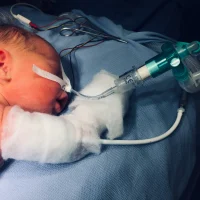
A newborn’s clavicle, or collarbone, is one of the bones most commonly fractured during labor and delivery. Clavicle fractures can occur during difficult deliveries, particularly when the baby’s shoulders are problematic to deliver, but they can also occur during otherwise uncomplicated vaginal births. Fortunately, most neonatal clavicle fractures heal quickly and without permanent problems…. Read More

Can Failure to Prepare for an Emergency C-Section Be Medical Malpractice?
An emergency C-section can become necessary with little warning. A baby’s heart rate may suddenly become dangerously abnormal. The umbilical cord may prolapse. The placenta may separate prematurely. Severe maternal bleeding or another obstetric emergency may require delivery before there is time for the medical team to prepare in the ordinary course. In those… Read More

When Communication Failures in the Delivery Room Cause Birth Injuries
Labor and delivery can change rapidly. A baby’s heart rate may suddenly become abnormal. Labor may stop progressing. A mother may develop heavy bleeding, dangerously high blood pressure, or another complication requiring immediate attention. In these situations, the medical team must recognize the problem, communicate it to the right people, and take appropriate action… Read More

Placental Abruption: An Obstetrical Emergency
Placental abruption is a potentially life-threatening pregnancy complication in which the placenta separates from the uterine wall before the baby is delivered. Because the placenta provides the fetus with oxygen and nutrients, a significant separation can compromise the baby’s oxygen supply while also causing potentially severe maternal bleeding. Abruption can therefore become an emergency… Read More

When Delayed C-Sections Lead to Preventable Birth Injuries
A cesarean section can be a critical intervention when complications make vaginal delivery unsafe for the mother or baby. In some situations, physicians may have time to carefully plan a C-section. In others, an emergency develops during labor, and the medical team must act quickly. When warning signs indicate that a baby may be… Read More

Vacuum Extraction Injuries During Delivery
Vacuum extraction can sometimes help complete a vaginal delivery when labor is not progressing or the baby needs to be delivered more quickly. A vacuum device uses a cup placed on the baby’s head to provide traction during contractions and maternal pushing. When appropriately indicated and performed correctly, vacuum-assisted delivery can be an effective… Read More