

Who Is Responsible for Injuries at Apartment Complexes?
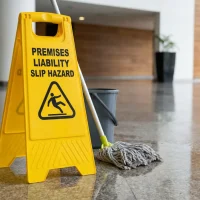
Apartment complexes are meant to provide residents and visitors with a safe place to live, but serious injuries can happen when property owners or others fail to keep the premises reasonably safe. Slip and falls on broken stairways, assaults caused by inadequate security, elevator accidents, swimming pool injuries, and falling debris are just a few examples of incidents that can leave victims facing mounting medical bills, lost income, and lasting pain.
When an accident happens, one of the first questions people ask is, “Who is responsible?” The answer is not always straightforward. Depending on the circumstances, liability may rest with a landlord, a property management company, a maintenance contractor, a security company, or even multiple parties. Understanding how responsibility is determined can help injured victims protect their rights. At Kalfayan Merjanian, LLP, our California premises liability injury attorneys help people hold legally responsible parties accountable when preventable injuries occur on residential property.
Who Can Be Held Responsible for an Apartment Complex Injury?
California premises liability law generally requires property owners and others who control property to use reasonable care to maintain safe conditions. Responsibility often depends on who had control over the dangerous condition that caused the injury and whether that party knew or should have known about the hazard. In many apartment complex injury cases, more than one person or company may share responsibility. An investigation may reveal that multiple parties failed to fulfill their legal obligations, making them jointly responsible for the harm that resulted.
Can a Landlord Be Liable for an Injury?
Landlords have a legal duty to maintain common areas in a reasonably safe condition for tenants and lawful visitors. This responsibility typically includes hallways, stairwells, sidewalks, parking lots, laundry rooms, playgrounds, and other shared spaces. A landlord may be liable if an injury results from conditions such as:
- Broken stairs or loose handrails
- Uneven sidewalks or walkways
- Poor lighting in common areas
- Dangerous balconies or decks
- Defective gates or fences
- Failure to repair known hazards
Liability often depends on whether the landlord knew about the dangerous condition or should have discovered it through reasonable inspections and maintenance. Ignoring tenant complaints or delaying necessary repairs can strengthen an injured person’s claim.
What If a Property Management Company Was Responsible?
Many apartment complexes are operated by professional property management companies rather than the property owner. These companies often oversee daily operations, arrange repairs, respond to maintenance requests, and inspect the property for hazards. If the management company failed to perform its responsibilities reasonably, it may share liability for an injury. For example, if management repeatedly received reports about broken lighting in a parking garage but failed to fix it, and a resident was assaulted because the area remained dangerously dark, the management company could potentially be held accountable. Similarly, failing to address water leaks, damaged flooring, malfunctioning security gates, or other known dangers may expose a management company to liability.
Can a Maintenance Contractor Be Held Responsible?
Apartment owners frequently hire outside contractors to perform repairs, landscaping, plumbing, electrical work, roofing, elevator maintenance, or other services. When contractors perform their work negligently, they may be responsible for injuries their mistakes cause. Examples include:
- Improperly repaired stairways that later collapse
- Electrical repairs that create fire hazards
- Unsafe roofing work that allows debris to fall
- Poorly maintained elevators
- Landscaping that creates dangerous tripping hazards
In some cases, both the contractor and the property owner may share responsibility if the owner failed to supervise the work appropriately or ignored obvious safety problems.
What Happens When Multiple Parties Share Responsibility?
Apartment complex injury cases frequently involve several defendants. California law allows injured victims to pursue claims against every party whose negligence contributed to the accident. For example, suppose a tenant slips on a stairway because water leaked from a defective roof for several weeks. The landlord ignored complaints, the management company delayed scheduling repairs, and the roofing contractor previously performed defective work. Each party’s actions—or failures to act—may have contributed to the accident.
Determining how responsibility should be allocated requires a careful investigation of maintenance records, inspection reports, repair contracts, surveillance footage, witness statements, and other evidence, along with detailed knowledge of the law and how these claims proceed in or out of the courtroom.
What Types of Accidents Commonly Occur at Apartment Complexes?
Apartment complexes present numerous opportunities for preventable accidents when maintenance or security is neglected. Some of the most common incidents include:
- Slip and fall accidents
- Trip and fall accidents
- Stairway injuries
- Elevator and escalator accidents
- Swimming pool injuries
- Dog attacks
- Falling objects
- Fires caused by unsafe conditions
- Carbon monoxide exposure
- Assaults and Injuries resulting from negligent security
Each type of accident presents unique legal issues, but all require examining whether someone failed to exercise reasonable care under the circumstances.
Can Apartment Complexes Be Liable for Criminal Attacks?
In some situations, yes. Apartment owners and managers have a duty to take reasonable security measures when criminal activity is reasonably foreseeable. While property owners are not automatically responsible for every crime that occurs, liability may arise if they failed to address known security risks. Examples include failing to repair broken gates, allowing security cameras to remain inoperable, neglecting broken locks, or ignoring repeated reports of criminal activity on the property. Whether negligent security played a role depends on many factors, including the property’s history of crime, prior complaints, and whether reasonable security measures could have prevented the incident.
What Evidence Helps Prove an Apartment Injury Claim?
Building a successful premises liability claim often requires more than simply showing that an injury occurred. The injured person generally must demonstrate that a dangerous condition existed, the responsible party knew or should have known about it, and reasonable steps were not taken to correct the problem. Important evidence may include photographs of the hazard, incident reports, maintenance records, repair requests, security camera footage, witness statements, inspection logs, lease agreements, and medical records documenting the injuries. Because apartment complexes often repair dangerous conditions shortly after an accident, preserving evidence as early as possible can be critical.
Why Is It Important to Identify Every Responsible Party?
Identifying every potentially liable party can significantly affect an injured person’s ability to recover full compensation. Different defendants may have different insurance policies, contractual responsibilities, and legal duties. A thorough investigation may uncover parties that are not immediately obvious, such as maintenance vendors, security companies, cleaning contractors, or construction companies whose negligence contributed to the dangerous condition. Holding every responsible party accountable helps ensure that injured victims have the best opportunity to recover compensation for medical expenses, lost wages, pain and suffering, future treatment, and other damages allowed under California law.
Talk to Kalfayan Merjanian, LLP About Your California Apartment Complex Injury
If you were injured at an apartment complex because someone failed to maintain safe conditions, you should not assume that only the landlord may be responsible. Depending on the facts, property management companies, maintenance contractors, security providers, and other parties may also share liability. Identifying everyone whose negligence contributed to an accident is an important step toward pursuing full compensation.
Kalfayan Merjanian, LLP represents Californians who have been seriously injured because of unsafe property conditions. If you have questions about who may be responsible for your apartment complex injury, contact Kalfayan Merjanian, LLP today to discuss your case and learn about your legal options.
