

Umbilical Cord Compression and Cord Entrapment During Labor
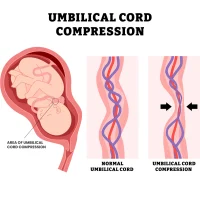
The umbilical cord provides the baby with oxygen and nutrients throughout pregnancy and labor. When the cord becomes compressed or trapped during labor, however, blood flow through the cord can be reduced. In serious cases, prolonged cord compression can deprive the baby of oxygen and lead to brain damage, hypoxic-ischemic encephalopathy (HIE), cerebral palsy, or other permanent birth injuries.
Cord compression can sometimes occur as an unavoidable complication of labor. In other situations, the warning signs can be recognized through fetal heart rate monitoring, allowing the medical team to intervene before permanent harm occurs. When healthcare providers fail to recognize abnormal fetal heart rate patterns, fail to respond to a suspected cord problem, or delay an emergency delivery, their actions may warrant investigation for medical malpractice. At Kalfayan Merjanian, LLP, we represent families in California whose children have suffered serious birth injuries when negligent prenatal, labor, and delivery care contributed to the child’s condition.
What Happens When the Umbilical Cord Is Compressed?
The umbilical cord contains blood vessels that carry oxygen and nutrients to the fetus and return waste products to the placenta. When pressure is placed on the cord, blood flow through those vessels can be reduced. Some compression may occur temporarily during normal contractions. The concern arises when compression is severe, prolonged, or frequent enough to interfere significantly with the baby’s oxygen supply. Cord compression can occur when the baby’s head or body presses against the cord, when the cord becomes trapped between the baby and the mother’s pelvis, or when the cord falls below or alongside the presenting part of the fetus.
What Is Umbilical Cord Entrapment?
Umbilical cord entrapment generally refers to the cord becoming caught or compressed in a way that interferes with blood flow during labor or delivery. An important related emergency is umbilical cord prolapse, in which the cord descends through the cervix ahead of the baby’s presenting part. Cord prolapse can be overt, meaning the cord protrudes into or through the vagina, or occult, meaning it remains inside the uterus but becomes compressed. In occult cases, an abnormal fetal heart rate pattern may be the primary indication that cord compression is occurring. The distinction matters because a prolapsed cord can become a medical emergency requiring extremely rapid intervention.
How Does Cord Prolapse Cause Fetal Distress?
When the baby’s body or presenting part compresses a prolapsed umbilical cord against the mother’s pelvis, blood flow through the cord can be restricted. This can reduce oxygen delivery to the fetus and cause fetal hypoxemia. One of the earliest warning signs may be an abnormal fetal heart rate. Severe or prolonged bradycardia and recurrent severe variable decelerations can be associated with cord compression. The significance of a particular fetal heart rate pattern depends on the entire clinical situation. But persistent abnormalities can require immediate evaluation and intervention.
What Are the Warning Signs of Umbilical Cord Compression?
Fetal heart rate monitoring is one of the most important tools available to the labor and delivery team for recognizing possible cord compression. Variable decelerations can occur when the umbilical cord is compressed. More severe or persistent abnormalities may indicate that the baby is not receiving adequate oxygen. Cord compression can sometimes be relieved by changing the mother’s position. If the fetal heart rate abnormalities persist, however, an expedited delivery may become necessary. This makes both monitoring and timely interpretation of the fetal heart rate critically important.
Can Umbilical Cord Compression Be Treated Without a C-Section?
The appropriate response depends on the cause and severity of the compression. Repositioning the mother can sometimes relieve pressure on the cord. Healthcare providers may also take other measures intended to improve fetal oxygenation and address excessive contractions when those factors are contributing to fetal distress. If the abnormal fetal heart rate pattern persists or the cord is prolapsed, however, an emergency cesarean delivery may be necessary. The central issue in a potential malpractice case is not whether a C-section occurred, but whether the medical team appropriately recognized the problem and selected and implemented the appropriate intervention given the circumstances.
When Is Umbilical Cord Prolapse an Emergency?
Overt umbilical cord prolapse is an obstetrical emergency because the cord can be compressed and the fetus’s blood supply interrupted. Treatment involves relieving pressure on the cord while preparing for immediate cesarean delivery. Medical references describe lifting the presenting fetal part away from the cord and maintaining that relief while an emergency C-section is performed. Positioning the mother to reduce pressure may also be used while definitive treatment is arranged. Because fetal oxygenation can deteriorate rapidly, delays in recognizing the prolapse, relieving compression, assembling the operating team, or performing the emergency delivery may have serious consequences.
What Pregnancies May Have a Higher Risk of Cord Prolapse?
Cord prolapse can occur unexpectedly, but certain circumstances can make it more likely. These include situations in which the presenting fetal part has not become well engaged in the pelvis, as well as certain abnormal fetal presentations such as breech or transverse positioning. Premature rupture of membranes can also be associated with prolapse, particularly when the presenting part has not descended sufficiently. Recognizing these circumstances may allow the medical team to anticipate complications and prepare to respond quickly if the membranes rupture or the fetal heart rate changes.
Can Cord Compression Cause HIE?
HIE occurs when the baby’s brain does not receive sufficient oxygen and blood flow. Significant or prolonged fetal hypoxemia during labor can result in neurological injury. Cord compression does not automatically cause HIE. The severity and duration of the oxygen deprivation, the baby’s condition, and how quickly the medical team recognizes and treats the problem all matter. When a newborn is diagnosed with HIE after a complicated labor, medical experts may review the fetal monitoring strips and the timing of interventions to determine whether a preventable period of oxygen deprivation occurred.
What Other Birth Injuries Can Result From Cord Compression?
Severe oxygen deprivation can cause a range of neurological injuries. Depending on the severity of the insult, a child may experience HIE, cerebral palsy, seizures, developmental delays, cognitive impairment, motor disabilities, or other permanent neurological problems. In the most serious situations, prolonged fetal oxygen deprivation can be fatal. Importantly, not every child who experiences cord compression suffers permanent injury. Early recognition and appropriate intervention can sometimes prevent temporary fetal distress from progressing into irreversible harm.
Is Failure to Monitor the Baby Medical Malpractice?
Healthcare providers responsible for labor and delivery must monitor the mother and fetus in accordance with the circumstances of the pregnancy and labor. Fetal monitoring is particularly important when there are concerns about fetal well-being or known risk factors for complications. A potential malpractice claim may arise if providers fail to monitor the fetal heart rate appropriately, fail to recognize significant abnormalities, fail to communicate concerning findings, or fail to take appropriate action after evidence of fetal distress appears. Whether a provider’s conduct constituted negligence requires a medical and legal evaluation of the specific circumstances.
What If the Nurse Recognized the Problem but Did Not Call the Doctor?
Communication failures can be significant in birth injury cases. Labor and delivery often involve nurses, obstetricians, anesthesiologists, midwives, technicians, and other professionals who must communicate rapidly when a complication develops. If a nurse observes a concerning fetal heart rate pattern or other signs of an emergency but fails to promptly notify the appropriate physician, the resulting delay may warrant investigation. The medical records can be particularly important because they may document when an abnormality was observed, when it was reported, when the physician responded, and when a decision was made to expedite delivery. A detailed timeline can help determine whether a communication failure materially affected the outcome.
What If the Operating Room Was Not Ready for an Emergency C-Section?
The ability to perform an emergency cesarean section depends on the hospital’s personnel, operating room availability, anesthesia services, surgical team, and other resources. If an emergency C-section becomes necessary because of a serious fetal heart rate abnormality or cord prolapse, delays in assembling the necessary team or preparing the operating room may become relevant to a birth injury investigation. The circumstances and the reason for the delay must be examined, including what the medical team knew and when they knew it.
How Do Doctors Determine Whether Cord Compression Caused the Injury?
Causation can be one of the most difficult issues in a birth injury case. A child’s neurological condition may have multiple potential causes, and the fact that an abnormal fetal heart rate occurred does not automatically establish that it caused permanent brain damage. Medical experts may review fetal monitoring, maternal records, cord and placental findings, blood-gas results, neonatal examinations, imaging studies, and the child’s subsequent neurological development. They may then assess whether the evidence supports a causal connection between the cord-related event, the period of oxygen deprivation, and the child’s injury.
What Evidence Is Important in a Cord Compression Case?
The fetal monitoring strips can be especially important because they may reveal when abnormal heart rate patterns began and whether they became progressively more severe. Other potentially relevant evidence includes labor and delivery records, nursing notes, physician notes, medication records, operating room records, neonatal resuscitation records, umbilical cord blood gas results, placenta pathology, imaging, and neonatal intensive care records. The timing of events can be just as important as the events themselves. Investigators may need to determine exactly when the cord problem was suspected, when fetal distress became apparent, when the doctor was notified, when a C-section was ordered, and when the baby was actually delivered.
Why Is Timing So Important When a Baby Is Losing Oxygen?
When fetal oxygenation is compromised, prolonged exposure can increase the risk of permanent neurological injury. This does not mean that every minute of labor can be translated into a predictable degree of brain damage. The medical circumstances are far more complicated. But the sequence of events can nevertheless be critical. If evidence shows that fetal distress persisted for an extended period while the medical team failed to recognize or appropriately respond to the warning signs, experts may be asked whether an earlier intervention would probably have prevented or reduced the injury.
What Compensation May Be Available for a Cord-Related Birth Injury?
If negligent medical care caused a compensable birth injury, the resulting claim may include damages associated with the child’s immediate and long-term needs. Depending on the circumstances, these may include hospitalization, medical treatment, rehabilitation, physical and occupational therapy, speech therapy, medications, assistive technology, specialized educational services, attendant care, and future medical expenses. When a child has suffered permanent neurological damage, life-care planners and economists may also be needed to evaluate the cost of lifelong care and the child’s future economic losses.
Why Should Families Investigate a Suspected Cord Injury?
A difficult delivery can be overwhelming, and parents may not know why their child suffered an injury. Medical records can be extensive, and the relationship between an intrapartum event and a later neurological diagnosis is not always obvious. A thorough investigation can reconstruct the delivery and determine whether the baby’s condition was recognized and managed appropriately. It can also identify whether there were delays involving fetal monitoring, physician notification, emergency decision-making, or cesarean delivery. Not every cord compression injury is preventable, but when medical negligence contributes to a child’s harm, families deserve an opportunity to understand what happened.
Contact Kalfayan Merjanian, LLP
Umbilical cord compression and cord entrapment can become serious obstetrical emergencies when they interfere with a baby’s oxygen supply. Prompt fetal monitoring, recognition of abnormal heart rate patterns, appropriate intervention, and timely delivery can be critical when significant cord compression occurs. If your child suffered HIE, cerebral palsy, or another serious birth injury after a suspected umbilical cord complication, Kalfayan Merjanian, LLP can investigate the medical records, reconstruct the timing of events, and work with qualified experts to determine whether negligent care contributed to the injury. Contact Kalfayan Merjanian, LLP today to discuss your family’s circumstances and learn about your legal options.
