

It’s Still Fire Season, and Red Flag Warnings Dot Southern California: What They Mean and Who May Be Liable for a Wildfire
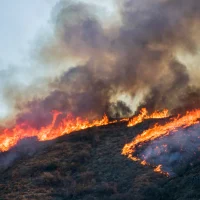
Although it may come as a surprise to some, October is historically one of the most destructive months of the year when it comes to wildfires devastating California. True to form, the state is currently experiencing dangerous fire-weather conditions in several regions. At the time of this writing, the National Weather Service has issued Red Flag Warnings for parts of Northern and Central California, including areas of the Sierra Nevada and its foothills, where gusty winds and very low humidity can allow fires to ignite easily and spread rapidly.
In Southern California, strong Santa Ana winds and dry conditions are also creating elevated wildfire danger, with fire-weather alerts and red flag warnings in effect across parts of Los Angeles, Ventura, Santa Barbara, and San Luis Obispo counties. The timing and affected areas vary by warning, so residents should check the latest local alerts rather than assume a warning applies statewide.
A red flag warning is more than a routine weather update. It is a signal that a single spark—from outdoor work, equipment, a vehicle, or an unattended flame—could trigger a fast-moving wildfire. Taking precautions during a Red Flag Warning can help protect lives, homes, and entire communities.
A warning does not mean a fire is burning nearby or that an evacuation has been ordered. But it does mean conditions are dangerous enough to require extra care. When someone ignores foreseeable fire risks and their actions start a wildfire, that conduct can also raise questions of legal responsibility.
Kalfayan Merjanian, LLP represents families harmed by wildfires in California caused by negligent individuals, businesses or utility companies. Understanding what a Red Flag Warning means, what precautions are reasonable, and how negligence can contribute to a wildfire can help people protect themselves and understand their legal options after a devastating loss.
What Is a Red Flag Warning?
A Red Flag Warning is an official alert issued by the National Weather Service (NWS) to notify the public and fire agencies that weather and fuel conditions are favorable for wildfires to start and spread quickly. The warning means that critical fire-weather conditions are occurring or expected soon in the affected area.
The danger typically comes from a combination of strong winds, low relative humidity, and dry vegetation. Wind can carry embers far beyond the original ignition point, while dry grass, brush, and trees provide fuel for a rapidly spreading fire. When these conditions occur together, even a small ignition source can create a serious threat.
Red Flag Warnings apply to designated geographic areas and specific time periods. A warning for one part of California does not necessarily apply to the entire state. Residents should check current NWS alerts and local fire agency updates for the areas where they live, work, or plan to travel.
What a Red Flag Warning Does Not Mean
A Red Flag Warning is a warning about dangerous fire-weather conditions. It does not mean that a wildfire has already started, and it is not an evacuation order. An evacuation warning or order is issued by emergency officials when a particular area faces a threat from an incident such as an active wildfire. A Red Flag Warning can be in effect even when no fire is burning nearby. That distinction matters, but it should not create a false sense of security. Fire conditions can change quickly, and a newly ignited fire may spread before responders can contain it. Residents should monitor emergency alerts and follow evacuation instructions if officials issue them.
When Does the National Weather Service Issue a Red Flag Warning?
The NWS considers local weather forecasts, fuel conditions, and other factors when determining whether to issue a Red Flag Warning. Exact criteria vary by region, but the warning commonly involves some combination of:
- Strong or gusty winds that can spread flames and carry embers.
- Low relative humidity, which dries vegetation and makes it easier to ignite.
- Dry fuels, including grasses, leaves, brush, and trees that can sustain a fire.
- Other critical fire-weather factors, such as dry lightning or weather patterns that sharply increase fire danger.
The conditions do not need to look extreme to the casual observer. A day that seems manageable can still present serious wildfire danger when wind, humidity, and vegetation conditions combine in a dangerous way.
A Red Flag Warning also does not guarantee that a fire will start. It signals that the likelihood and potential consequences of ignition are elevated, making precautions especially important.
What Should You Do During a Red Flag Warning?
During a Red Flag Warning, the safest approach is to eliminate avoidable ignition sources and prepare for the possibility that conditions could worsen. People should postpone activities that create sparks or flames, particularly near dry vegetation.
Practical precautions include:
- Avoid outdoor burning, bonfires, and open flames. Follow local restrictions on campfires, grills, and other fire-producing activities.
- Avoid using equipment that can produce sparks, such as grinders, welders, chainsaws, and certain power tools, when conditions make outdoor use unsafe.
- Check vehicles and equipment. Dragging metal chains, overheated parts, and mechanical faults can create sparks that ignite dry vegetation. Secure trailer safety chains and address vehicle problems before driving.
- Park vehicles away from dry grass where possible, and do not leave hot equipment near combustible material.
- Secure cigarettes and smoking materials, and never discard them outdoors.
- Keep an eye on official alerts, know evacuation routes, and have essential medications, important documents, and emergency supplies ready.
How Can Ignoring a Red Flag Warning Lead to a Wildfire?
A wildfire can begin with a seemingly minor act. A worker using a grinder near dry brush, a driver towing a trailer with a dragging chain, or someone leaving an unattended flame can create an ignition source. Under Red Flag conditions, strong winds and dry vegetation can turn that spark into a fire that spreads beyond the point of origin.
The warning is important because it provides advance notice of foreseeable danger. When a person or business knows that fire-weather conditions are critical, reasonable precautions become especially important. Continuing a hazardous activity without accounting for the conditions can support an argument that the resulting fire was caused by negligence.
For example, a contractor who uses spark-producing equipment near dry vegetation during a Red Flag Warning could face questions about whether the work was necessary, whether safer alternatives were available, and whether reasonable fire-prevention measures were taken. Similarly, a driver whose poorly secured trailer chain sparks against the pavement could face scrutiny over vehicle maintenance and safety.
The existence of a warning alone does not prove negligence. The facts matter, including what the person knew, what precautions were practical, whether any law or safety rule was violated, and whether the conduct caused the fire. But ignoring a known fire danger can become important evidence when investigators determine how an ignition occurred.
Who Can Be Held Legally Responsible for a Wildfire in California?
California law holds people and businesses responsible when negligent or unlawful conduct causes a fire. Potentially responsible parties depend on how the fire started and the circumstances surrounding the ignition.
A person who negligently starts a fire, allows a fire to escape, or fails to take required precautions may face civil liability. Businesses can also be held responsible when unsafe work practices or negligent equipment use cause a fire. In some cases, a property owner, contractor, utility, manufacturer, or other party may be responsible if a dangerous condition or equipment failure contributed to the ignition.
California law also provides for recovery of certain firefighting and fire-investigation costs from people who negligently or unlawfully cause fires. Separate legal claims can arise when a wildfire damages homes, businesses, land, or personal property, or causes physical injuries or deaths.
Liability is not automatic simply because a fire occurred during a Red Flag Warning. An investigation must establish what caused the fire and whether the evidence supports a legal claim. Fire investigators may examine the area of origin, burn patterns, physical evidence, equipment, witness accounts, and relevant records. Weather conditions and the existence of a warning can help explain the risks that were present, but they are only part of the overall analysis.
What Should You Do if a Wildfire Caused by Negligence Damages Your Property or Injures Someone?
If you believe a wildfire resulted from another party’s negligent conduct, preserving evidence can be important. Take photographs when it is safe to do so, retain records of property damage and expenses, and keep communications related to the incident. Avoid entering dangerous or restricted areas to gather evidence.
Potential evidence may include official fire investigation findings, photographs and videos, witness statements, equipment maintenance records, work orders, weather alerts, and documents showing what the responsible party knew about the conditions. Depending on the incident, technical experts may be needed to determine the point of origin and identify the likely ignition source.
Wildfire claims can involve complex questions about causation, multiple potentially responsible parties, insurance coverage, and the full extent of losses. Property damage is not always the only harm. Fires can also cause serious burns, respiratory injuries, other catastrophic injuries, and wrongful death.
Anyone affected should consider seeking legal advice promptly. Deadlines and procedures vary depending on the type of claim and the parties involved, and claims against public entities can have special, shorter notice requirements.
How Can Kalfayan Merjanian, LLP Help After a Wildfire?
Red Flag Warnings give Californians advance notice that fire-weather conditions are dangerous. Taking reasonable precautions during these periods can reduce the risk of ignition and help protect nearby communities. When someone disregards foreseeable risks and causes a wildfire, however, the consequences can extend far beyond the point where the fire began.
Kalfayan Merjanian, LLP represents Californians in serious personal injury, catastrophic injury, and wrongful death matters. If a wildfire has injured you or a family member, or if another party’s conduct has caused devastating losses, the firm can help evaluate the circumstances, investigate potential liability, and explain your legal options.
Contact Kalfayan Merjanian, LLP to discuss your situation and learn what steps may be available to pursue accountability and compensation.
