

When Distracted Driving Causes Fatal Car Accidents
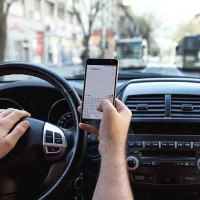
Operating a motor vehicle requires drivers to make countless decisions behind the wheel. Most are routine and uneventful. However, when a driver takes their eyes off the road to send a text message, check social media, adjust a navigation system, or interact with an in-vehicle touchscreen, the consequences can be devastating. In a matter of seconds, a distracted driver can cause a fatal collision that forever changes the lives of surviving family members.
Distracted driving has become one of the leading causes of serious and fatal traffic accidents in the United States. While public awareness campaigns often focus on drunk driving, speeding, and wearing a seat belt, distracted driving remains a persistent and growing danger on California roads. The widespread use of smartphones, navigation apps, streaming services, and increasingly sophisticated vehicle technology has created more opportunities than ever for drivers to lose focus at critical moments.
At Kalfayan Merjanian, LLP, we represent families who have lost loved ones in preventable motor vehicle accidents in California. When a fatal crash is caused by a distracted driver, surviving family members may have the right to pursue a wrongful death claim and seek accountability for the harm that has been done.
What Is Distracted Driving?
Most people associate distracted driving with texting while driving, but distraction takes many forms. The National Highway Traffic Safety Administration recognizes three categories of distractions: visual distractions that take a driver’s eyes off the road, manual distractions that take a driver’s hands off the wheel, and cognitive distractions that take a driver’s mind off driving. While a single form of distraction is dangerous on its own, many activities involve all three at once. For example, sending a text message requires a driver to look at a phone, manipulate the device, and think about the message rather than surrounding traffic conditions.
Other common examples of distracted driving include:
- Using a smartphone or tablet
- Reading or responding to emails
- Using social media applications
- Entering information into a navigation system
- Adjusting music, podcasts, or streaming services
- Interacting with vehicle infotainment systems
- Eating or drinking while driving
- Grooming or applying makeup
- Reaching for objects inside the vehicle
When operating a motor vehicle, driving needs to be the primary, if not the only, task at hand. Even a few seconds of distraction can be enough to cause a fatal collision.
Why Is Distracted Driving So Dangerous?
Driving requires constant attention. Traffic conditions can change instantly, particularly on crowded California freeways and busy city streets. Pedestrians may enter crosswalks, vehicles may stop suddenly, traffic signals may change, or hazards may appear in the roadway. Meanwhile, a driver traveling 55 miles per hour covers more than 80 feet every second. Looking away from the road for just a few seconds can mean traveling the length of a football field without actively observing traffic conditions.
Many fatal distracted driving crashes occur because the driver simply never reacts. There are often no skid marks, no evasive maneuvers, and no evidence that the driver attempted to avoid the collision before impact.
How Does California Law Address Distracted Driving?
California law prohibits drivers from holding and operating handheld wireless telephones while driving. Under Vehicle Code section 23123.5, drivers are also generally prohibited from using electronic wireless communications devices unless they are being operated in a manner specifically permitted by law, such as through hands-free technology. However, compliance with California’s hands-free laws does not automatically eliminate the possibility of negligence. Even when a driver is technically complying with the law, they may still be distracted by a phone conversation, navigation system, touchscreen display, or other activity that interferes with safe driving. The central question in a wrongful death case is often whether the driver’s conduct was reasonable under the circumstances. A driver who allows a distraction to interfere with their ability to operate a vehicle safely may still be held liable for a fatal crash.
What Types of Fatal Accidents Are Commonly Linked to Distracted Driving?
Distracted driving contributes to virtually every type of serious collision. Rear-end crashes are particularly common because distracted drivers fail to notice slowing or stopped traffic ahead. Intersection collisions often occur when drivers fail to observe traffic signals, stop signs, or crossing traffic. Distracted drivers may also drift into adjacent lanes, strike bicyclists, fail to yield to pedestrians, or leave the roadway entirely. Fatal pedestrian accidents are especially common when distracted drivers fail to observe individuals crossing legally within marked or unmarked crosswalks. A pedestrian has no protective structure surrounding them and is therefore particularly vulnerable to catastrophic injuries.
How Can Families Prove Distracted Driving After a Fatal Crash?
One of the biggest challenges in distracted driving cases is proving what the driver was doing immediately before the collision. Unlike drunk driving, there is no test that establishes distraction. Instead, attorneys must piece together evidence from multiple sources. Important evidence may include:
- Cell phone records showing calls, texts, or data usage
- Vehicle infotainment system data
- Navigation app activity
- Social media or messaging activity
- Event data recorder information
- Surveillance or traffic camera footage
- Eyewitness testimony
- Police investigation reports
- Admissions made by the driver
Modern vehicles and electronic devices often generate substantial digital evidence. In some cases, forensic experts can determine whether a driver was actively using a device at or near the moment of impact. Because this evidence can be lost or overwritten, early investigation is often critical.
What If the Driver Denies Being Distracted?
It is not uncommon for drivers to deny using a phone or other device before a collision. However, objective evidence may tell a different story. Phone records, app usage logs, metadata, vehicle data, and witness observations can sometimes reveal activity that contradicts the driver’s account. For example, a driver may claim they never touched their phone, only for records to show that a text message was sent seconds before the crash occurred. Similarly, vehicle data may indicate interaction with a touchscreen or infotainment system immediately before impact. These cases often turn on careful investigation and evidence preservation.
Who Can Bring a Wrongful Death Claim in California?
California’s wrongful death laws allow certain surviving family members to seek compensation when a loved one’s death was caused by another person’s negligence. In most cases, eligible claimants include surviving spouses, domestic partners, children, and certain other family members identified by California law. The specific individuals entitled to recover depend on the family’s circumstances and the statutory framework governing wrongful death claims. Because these cases affect entire families, determining who should participate in the claim is an important early step.
What Damages Are Available in a Distracted Driving Wrongful Death Case?
No amount of money can replace a loved one. However, California law allows surviving family members to recover damages for the losses they have suffered as a result of the death. Depending on the circumstances, recoverable damages may include the loss of financial support the deceased would have provided, the value of household services, funeral and burial expenses, and the loss of love, companionship, comfort, care, assistance, protection, affection, guidance, and moral support. The financial impact can be particularly severe when the deceased was a primary wage earner, a parent of young children, or an individual who provided significant household contributions.
Surviving family members may rightfully feel that punitive damages are appropriate after a negligent driver’s distraction caused the death of their loved one. California wrongful death claims do not permit recovery of punitive damages. However, punitive damages may be pursued through a related survival action if the facts support such a claim. Whether punitive damages may be available depends on the specific circumstances surrounding the collision and the legal claims being asserted.
Why Is Early Investigation So Important?
Distracted driving cases often involve electronic evidence that may not remain available indefinitely. Cell phone records may become more difficult to obtain over time. Surveillance footage may be automatically deleted. Vehicles may be repaired, sold, or destroyed. Witness memories may fade. An early investigation can help preserve critical evidence and identify the facts necessary to establish liability. The sooner an attorney becomes involved, the better positioned a family may be to protect important evidence and pursue a complete claim.
How Kalfayan Merjanian, LLP Helps Families After Fatal Distracted Driving Accidents in California
At Kalfayan Merjanian, LLP, we understand that families facing the loss of a loved one are dealing with profound grief, uncertainty, and financial hardship. Our firm conducts thorough investigations into fatal accidents, works with qualified experts, preserves critical evidence, and pursues the full compensation available under California law.
Distracted driving collisions are preventable tragedies. When a driver chooses to focus on a phone, screen, or other distraction instead of the road, innocent people can lose their lives. We are committed to helping families seek accountability and justice when that happens. If you have lost a loved one in a fatal car accident caused by distracted driving, contact Kalfayan Merjanian, LLP to discuss your legal rights and learn how we can help you pursue a wrongful death claim.
