

When Delayed C-Sections Lead to Preventable Birth Injuries
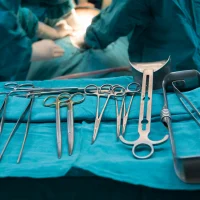
A cesarean section can be a critical intervention when complications make vaginal delivery unsafe for the mother or baby. In some situations, physicians may have time to carefully plan a C-section. In others, an emergency develops during labor, and the medical team must act quickly. When warning signs indicate that a baby may be in distress, unnecessary delay in performing a medically necessary cesarean can expose the baby to prolonged oxygen deprivation and potentially permanent injury.
A delayed C-section does not automatically mean that medical malpractice occurred. Some emergency cesareans involve circumstances in which physicians appropriately attempt other interventions before deciding that surgery is necessary, and not every birth injury could have been prevented through earlier delivery. The central questions are whether the healthcare providers recognized the need for intervention when a reasonably careful provider would have, whether they acted within the applicable standard of care, and whether a delay caused or contributed to the child’s injury.
At Kalfayan Merjanian, LLP, we represent families throughout California whose children have suffered serious birth injuries. Our California medical malpractice trial lawyers investigate the medical decisions and timeline surrounding labor and delivery to determine whether a delayed C-section or other medical error contributed to preventable harm, and we fight to hold doctors, hospitals, and all responsible parties accountable for the damage they caused through incompetence, unreasonable delay, or medical negligence.
When Is a C-Section Medically Necessary?
Cesarean delivery can become necessary for many maternal or fetal reasons. A baby’s abnormal heart rate may indicate that the fetus is not tolerating labor. Labor may fail to progress, the baby may not descend through the birth canal, or another complication may make continuing vaginal delivery unsafe.
The need for an unplanned C-section does not necessarily mean that something went wrong. As the American College of Obstetricians and Gynecologists (ACOG) explains, unplanned cesareans occur for different reasons and have different levels of urgency. In some cases, there is time to continue attempting vaginal delivery, while a true emergency can require delivery within minutes.
That distinction is important in a potential malpractice case. Looking back at an injury after delivery, it can be tempting to conclude that a C-section should have been performed sooner. A proper investigation instead asks what the medical team knew at each point in labor and what a reasonably careful provider should have done based on the information available at that time.
What Can Cause a C-Section to Become Urgent?
An emergency cesarean may become necessary when circumstances indicate that continued labor poses a significant risk to the mother or baby. One important trigger is an abnormal fetal heart rate. A baby’s heart rate that becomes persistently abnormal can indicate that the fetus is in trouble and may require rapid delivery. ACOG identifies abnormal fetal heart rate as one of the most common reasons an unplanned cesarean is performed. Other circumstances can include a failure of the baby to descend, labor that is not progressing appropriately, certain placental complications, umbilical cord problems, or other maternal or fetal emergencies.
The urgency depends on the nature and severity of the complication. A medical malpractice investigation therefore must examine the particular circumstances rather than assuming that every cesarean should have been performed immediately.
How Does Fetal Distress Affect the Decision to Perform a C-Section?
Fetal distress is one of the most important issues in many delayed C-section cases. Healthcare providers use fetal heart rate monitoring to assess how the baby is tolerating labor. Concerning patterns may lead the team to attempt interventions intended to improve fetal oxygenation or otherwise correct the problem. If those measures do not resolve the abnormality, the medical team may determine that the baby needs to be delivered quickly. A key issue in a malpractice case can therefore be the point at which continued monitoring or other interventions ceased to be reasonable and delivery became necessary. If the medical team failed to recognize that transition or failed to act promptly after recognizing it, the resulting delay may warrant investigation.
How Can a Delayed C-Section Cause Oxygen Deprivation?
A developing emergency can become progressively more dangerous when a baby remains in the uterus while experiencing inadequate oxygenation. The brain is particularly vulnerable to prolonged oxygen deprivation. A severe hypoxic event can result in hypoxic-ischemic encephalopathy (HIE), which can cause permanent neurological injury. Depending on the severity of the injury, a child may later develop cerebral palsy, developmental delays, cognitive impairment, seizure disorders, motor disabilities, or other neurological conditions. Importantly, the existence of HIE does not by itself prove that a C-section was delayed improperly. Medical experts must evaluate the cause and timing of the hypoxic event and determine whether earlier intervention probably would have prevented or reduced the injury.
What If Fetal Monitoring Shows a Problem but the Doctor Does Not Act?
This is one of the circumstances that can make fetal monitoring records particularly important. The monitoring strip may show when an abnormal pattern began, whether it persisted, whether it worsened, and whether the baby’s heart rate improved after an intervention. Nursing and physician records can then establish when members of the healthcare team recognized the abnormality and what they did in response. A possible case of malpractice may arise when significant warning signs are present but are not recognized, communicated, or acted upon appropriately. California’s standard medical negligence framework requires proof of duty, a breach of the applicable standard of care, a causal connection between negligent conduct and injury, and resulting damages. The appropriate standard of care is specific to the category of healthcare professional involved.
Can a Delay Occur After the Decision to Perform a C-Section?
The decision to perform a cesarean and the actual delivery are separate points in time. A healthcare team may recognize that an emergency C-section is necessary but encounter a delay in mobilizing the operating room, anesthesia personnel, surgical staff, or other resources. Depending on the circumstances, the failure of the hospital to respond to an emergency can be the basis of a malpractice claim against the hospital.
ACOG’s guidance concerning emergency obstetrical care emphasizes the importance of appropriate facilities and personnel when circumstances require emergency delivery. Whether a particular hospital delay constitutes negligence depends on the facts, including the severity of the emergency, when the need for delivery became apparent, what resources were available, and what was reasonably expected of the facility and providers under the circumstances.
A birth injury case can involve the conduct of individual doctors or nurses as well as the hospital itself. California courts recognize separate questions concerning the standard of care applicable to healthcare professionals and the duty of a hospital. A malpractice case may therefore examine whether the obstetrician made appropriate decisions, whether nurses promptly communicated concerning findings, whether necessary personnel were available, and whether the operating room and anesthesia team were prepared to respond to an emergency. The responsible parties depend on the facts and the legal theories supported by the evidence.
Communication Failures Can Cause a Dangerous Delay
Labor and delivery involve multiple healthcare professionals who must communicate rapidly when a patient’s condition changes. A nurse may identify a concerning fetal heart rate pattern, for example, but the significance of that finding depends in part on whether the appropriate physician is notified and responds promptly. Potential communication problems can include failure to notify the physician, failure to escalate a worsening condition, inaccurate or incomplete documentation, failure to prepare the operating room, or breakdowns between the obstetrical, nursing, anesthesia, and surgical teams. When evaluating a delayed C-section case, the chronology of communications can therefore be just as important as the medical events themselves.
What If the Team Initially Tried to Continue With a Vaginal Delivery?
Continuing to attempt a vaginal delivery is not automatically negligent simply because the baby was ultimately delivered by C-section. ACOG recognizes that not every unplanned cesarean requires immediate delivery. Some situations provide time for healthcare providers to continue labor or attempt measures designed to address the problem before surgery becomes necessary. The question is whether continued labor was reasonable under the circumstances. If the baby’s condition deteriorated and the medical team continued pursuing vaginal delivery despite evidence that the baby was no longer tolerating labor, an expert may determine that the decision represented a departure from the applicable standard of care.
How Do Medical Experts Determine Whether the C-Section Was Delayed?
Birth injury cases involving delayed delivery frequently require detailed expert review. An obstetrical expert can reconstruct the timeline from fetal monitoring strips, nursing notes, physician orders, medication records, labor progression, and delivery documentation. The expert may identify when significant warning signs appeared and evaluate the care provided after those signs emerged. A neonatal expert may then evaluate the baby’s condition at birth, including blood-gas results, neurological findings, resuscitation requirements, and the subsequent diagnosis. Experts may be asked to address a particularly important question: If the baby had been delivered earlier, would the injury more likely than not have been avoided or reduced?
Why Is Causation So Important?
Showing that a C-section was delayed is not enough by itself to establish that the delay caused a child’s injuries. Medical malpractice cases require a causal connection between the negligent conduct and the resulting injury. A proximate causal connection between negligent conduct and injury is one of the essential elements of medical negligence. For example, an expert may need to determine whether a baby’s neurological injury was caused by an intrapartum period of oxygen deprivation and, if so, whether an earlier delivery probably would have prevented permanent damage. Other possible causes may also need to be considered, including complications that began before labor, infection, placental problems, congenital conditions, or other medical events.
What Birth Injuries Can Result From Delayed Delivery?
A prolonged period of fetal oxygen deprivation can cause severe neurological injury. Potential consequences include HIE, cerebral palsy, seizure disorders, developmental delays, cognitive impairment, motor disabilities, and other forms of permanent brain damage. In the most severe circumstances, oxygen deprivation can result in fetal or neonatal death. The child’s long-term prognosis depends on the nature and extent of the injury. Some children may recover substantially, while others require lifelong medical treatment, therapy, assistive technology, educational support, or assistance with daily activities.
What Evidence Is Important in a Delayed C-Section Case?
In a delayed C-section malpractice case, the sequence of events is often critical. Relevant evidence can include fetal heart rate tracings, maternal vital signs, medication administration records, nursing documentation, physician notes, operative records, anesthesia records, neonatal records, umbilical cord blood-gas results, placental pathology, imaging studies, and NICU documentation. Hospital records may also establish when an emergency was recognized, when a doctor was notified, when the decision to perform a C-section was made, when the operating room was requested, when anesthesia was available, and when the baby was actually delivered. The purpose of reviewing these records is to reconstruct the timeline as accurately as possible.
What Happens When the Operating Room Is Not Ready?
A hospital may need to mobilize several people before an emergency cesarean can occur. Depending on the circumstances, this can include an obstetrician, anesthesiologist, nurses, surgical technicians, neonatal personnel, and other staff. If a hospital failed to maintain appropriate emergency readiness or a preventable organizational problem caused an unreasonable delay, those facts could become relevant to a medical malpractice claim. But again, not every delay is evidence of negligence. The investigation must examine the urgency of the situation and what was reasonably possible at the time.
What Compensation May Be Available After a Preventable Birth Injury?
When medical negligence causes a compensable birth injury, damages may account for the child’s current and future medical and developmental needs. Depending on the circumstances, a claim may involve hospitalization, neurological treatment, physical and occupational therapy, speech and language therapy, medications, assistive devices, specialized educational services, home modifications, attendant care, and other future expenses. For a child with a permanent disability, a life care planner may evaluate anticipated lifetime needs while an economist can assess their projected financial cost. Future earning capacity may also become significant when the child’s condition is expected to affect the ability to work as an adult.
Why Should Parents Investigate a Delayed C-Section?
Parents are often told that a difficult delivery was simply an unfortunate complication. Sometimes that is exactly what happened. But when a baby suffers HIE, cerebral palsy, or another serious neurological injury, a detailed review of the labor and delivery records may reveal warning signs that were not appropriately addressed. A thorough investigation can determine what the fetal monitoring showed, when healthcare providers recognized the problem, whether appropriate interventions were attempted, when a C-section became necessary, and whether any delay contributed to the child’s injury. California courts note that medical malpractice cases generally require expert testimony to establish both the applicable standard of care and that the healthcare provider’s failure to meet that standard caused the injury.
Contact Kalfayan Merjanian, LLP
A delayed C-section can have devastating consequences when a baby is experiencing fetal distress or another condition requiring urgent delivery. Determining whether a delay was medically justified or represented negligent care requires a detailed review of fetal monitoring, medical records, communications, hospital response, and the baby’s condition before and after birth. Kalfayan Merjanian, LLP represents California families whose children have suffered serious birth injuries and works with qualified medical experts to determine whether a preventable delay contributed to the harm. Contact Kalfayan Merjanian, LLP today to discuss your child’s birth injury and learn about your family’s legal options.
