

Clavicle Fracture Birth Injuries
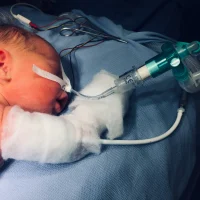
A newborn’s clavicle, or collarbone, is one of the bones most commonly fractured during labor and delivery. Clavicle fractures can occur during difficult deliveries, particularly when the baby’s shoulders are problematic to deliver, but they can also occur during otherwise uncomplicated vaginal births. Fortunately, most neonatal clavicle fractures heal quickly and without permanent problems.
That makes these injuries different from many other birth injuries. A fractured clavicle does not automatically mean that a doctor, nurse, or hospital was negligent. But there are circumstances in which the way a delivery was managed, the handling of a shoulder dystocia, or the failure to recognize an associated injury may raise questions about whether the applicable standard of care was met.
At Kalfayan Merjanian, LLP, our California medical malpractice birth injury lawyers understand how frightening it can be for parents to learn that their newborn suffered a fracture during delivery. We investigate not only the injury itself, but also the circumstances surrounding labor and delivery to determine whether an avoidable medical error caused or contributed to the harm.
How Does a Newborn’s Clavicle Become Fractured During Delivery?
The clavicle connects the breastbone to the shoulder and helps support movement of the arm. During a vaginal delivery, the baby’s shoulders must pass through the mother’s pelvis after the head has delivered. When the shoulders do not deliver normally, forces can be placed on the baby’s shoulder and collarbone.
Shoulder dystocia is a recognized risk factor for neonatal clavicle fracture. Other factors reported in studies include higher birth weight, prolonged labor, instrumental delivery, post-term pregnancy, and induction of labor. Research also shows, however, that many clavicle fractures cannot be reliably predicted before delivery.
The American College of Obstetricians and Gynecologists (ACOG) describes shoulder dystocia as an unpredictable obstetric emergency that can place both the pregnant patient and baby at risk of injury. ACOG also notes that commonly recognized risk factors have poor predictive value.
Is Every Clavicle Fracture the Result of Medical Malpractice?
This is one of the most important distinctions in evaluating a neonatal clavicle fracture. A medical negligence claim requires proving that the healthcare provider failed to meet the applicable standard of care and that the failure caused the injury.
Because clavicle fractures can occur during normal, nontraumatic deliveries, the mere existence of a fracture does not establish negligence. One study specifically found that neonatal clavicle fracture was associated with higher birth weight and other factors but concluded that most cases could not be predicted before delivery.
The relevant question is therefore not simply whether the baby’s collarbone was fractured. The investigation must determine what happened during labor and delivery, what the medical team knew at the time, how the delivery was managed, and whether a departure from appropriate care caused or contributed to the injury.
When Might the Management of a Difficult Delivery Raise Concerns?
When a shoulder dystocia occurs, the medical team must recognize the emergency and use appropriate techniques to complete the delivery. ACOG recommends a systematic approach and notes that simulation training can improve performance and documentation during shoulder dystocia emergencies.
Depending on the circumstances, questions may arise about whether a provider used an inappropriate maneuver, applied force improperly, failed to respond appropriately to the emergency, or continued an approach that was not producing safe progress.
The presence of a clavicle fracture alone does not answer those questions. A medical expert may need to review the delivery record and determine whether the care fell below the applicable standard.
A Clavicle Fracture Can Occur Along With Other Birth Injuries
A clavicle fracture can occur alongside injuries involving the brachial plexus, a network of nerves responsible for movement and sensation in the shoulder, arm, and hand.
This matters because a newborn with a fractured clavicle may move the affected arm less than the other arm, and similar findings may occur with a brachial plexus injury. Medical professionals therefore need to consider whether limited movement is caused solely by the fracture or whether a nerve injury is also present.
Research has documented newborns with both clavicle fractures and brachial plexus injuries. Recent research likewise emphasizes the importance of evaluating newborns with birth-related fractures for associated neurologic injuries.
An isolated fracture that heals normally presents very different medical and legal issues from a fracture accompanied by permanent nerve damage.
What Are the Signs of a Newborn Clavicle Fracture?
Newborns cannot explain where they hurt, so clavicle fractures may be subtle. A baby may be irritable, move one arm less than the other, or show an asymmetric or absent Moro reflex on the affected side. MSD Manual notes that some neonatal clavicle fractures are initially missed during the hospital examination and become more apparent when a lump of healing bone develops at the fracture site.
Parents may later notice swelling, bruising, a bump over the collarbone, or reduced movement of one arm. Any such findings should be evaluated by a healthcare professional rather than assumed to be a normal consequence of delivery.
A newborn examination should include attention to the clavicles and extremity movement. MSD Manual specifically recommends palpating the clavicles to detect fractures that may not be obvious.
How Are Clavicle Fractures Diagnosed and Treated?
Diagnosis generally begins with a physical examination of the newborn’s movement, reflexes, and clavicle. Imaging may be used when the diagnosis is uncertain or when another injury needs to be evaluated.
Fortunately, most neonatal clavicle fractures are treated conservatively. Most clavicle fractures are greenstick fractures that heal rapidly and without lasting consequences. Clavicle fractures during birth tend to heal quickly, with limited movement or temporary immobilization sometimes used when the fracture is painful.
The baby’s care team may also evaluate for brachial plexus damage or another fracture. Even when the clavicle itself heals normally, an associated injury may require additional treatment and follow-up.
Is Failing to Recognize the Fracture Medical Malpractice?
Some neonatal clavicle fractures are difficult to identify immediately, and a delayed diagnosis does not automatically mean that a provider was negligent. But if there were clear signs of an injury and the medical team failed to perform an appropriate examination or follow up on obvious concerns, the adequacy of that care may warrant investigation.
The consequences may also depend on whether another injury was overlooked. Limited arm movement might initially be attributed to the fracture when the newborn also has a brachial plexus injury. A failure to identify an associated condition could have greater significance than an isolated clavicle fracture that heals normally.
California medical negligence claims require evidence that the care departed from the applicable standard and that the departure caused compensable harm. California’s jury instructions specifically provide different standard-of-care instructions for physicians, nurses, hospitals, and other healthcare professionals.
Could Problems During Labor Increase the Risk of a Clavicle Fracture?
Certain labor circumstances are associated with a higher incidence of clavicle fracture, including increased birth weight, prolonged labor, instrumental delivery, and shoulder dystocia.
But a risk factor is not the same thing as negligence. For example, a large baby does not necessarily mean a physician should have predicted a clavicle fracture. ACOG emphasizes that shoulder dystocia is difficult to predict, and research has found limited ability to predict neonatal clavicle fractures in advance.
What may matter is how the provider responded to the circumstances that actually developed. Did the labor progress normally? Did a shoulder dystocia occur? Was the emergency recognized promptly? Were appropriate delivery techniques used? Was the baby evaluated appropriately afterward?
Those questions require a case-specific medical review.
What Evidence Matters in a Clavicle Fracture Birth Injury Case?
A careful investigation may begin with the mother’s prenatal records and continue through labor, delivery, newborn care, and follow-up treatment. Relevant evidence can include labor and delivery records, fetal monitoring, nursing notes, physician documentation, records of instrumental delivery, newborn examinations, imaging, and pediatric or orthopedic records.
If shoulder dystocia occurred, documentation of the emergency and the delivery maneuvers used can be especially important. The timing of the baby’s symptoms may also help establish when the injury became apparent.
Experts may be needed to determine whether the delivery was managed appropriately, whether the fracture was reasonably preventable under the circumstances, whether another injury occurred, and whether an alleged departure from the standard of care caused the resulting harm. California’s medical negligence instructions recognize that causation generally must be established through competent evidence showing that the alleged negligence was more likely than not a cause of the injury.
What if the Clavicle Heals but the Baby Has Another Injury?
This can be particularly important in evaluating a birth injury case. The clavicle fracture may be the most obvious sign of trauma while another injury has more significant long-term consequences.
For example, brachial plexus damage can occur in connection with difficult deliveries and may produce weakness, limited movement, or other functional problems. Some brachial plexus injuries improve as nerve bruising and swelling resolve, while more severe nerve damage can result in permanent impairment.
A thorough evaluation should therefore consider the newborn’s entire clinical picture rather than stopping once the fracture is identified.
How Can Kalfayan Merjanian, LLP Help With a Birth Injury Involving a Clavicle Fracture?
At Kalfayan Merjanian, LLP, we understand that the presence of a clavicle fracture is only the beginning of the analysis. Because these fractures can occur during uncomplicated deliveries and often heal without lasting problems, determining whether medical negligence occurred requires a careful review of the actual circumstances.
We examine the pregnancy and labor records, delivery documentation, newborn examinations, imaging, and subsequent medical care. When appropriate, we consult qualified medical experts to determine whether the delivery was managed according to the applicable standard of care and whether any departure from that standard caused or contributed to the baby’s injury.
We also look for associated injuries and broader consequences. If a clavicle fracture occurred alongside brachial plexus damage or another condition, the medical and legal issues may be substantially different from those involved in an isolated fracture that heals normally.
Get Justice for Your Family: Contact Kalfayan Merjanian, LLP for Help With Your California Birth Injury Claim
A newborn clavicle fracture can be frightening for parents, particularly when it occurs during a difficult delivery. While many clavicle fractures heal quickly and without permanent consequences, some cases raise important questions about how the delivery was managed or whether another injury was overlooked.
Kalfayan Merjanian, LLP represents California families in birth injury and medical malpractice cases. Contact our firm to discuss what happened during your child’s delivery and learn how we can investigate whether negligent medical care caused or contributed to the injury.
