

How Cell Phone Evidence Helps Prove Liability in Fatal Pedestrian Cases
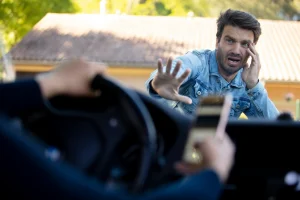
Distracted driving is one of the leading causes of serious and fatal accidents in California. While many people associate distracted driving with rear-end collisions or highway crashes, it also plays a major role in deadly pedestrian accidents. A driver who looks down at a text message, scrolls through social media, or enters an address into a navigation app may fail to see a person crossing the street until it is too late.
When a pedestrian is killed in a collision, one of the most important questions is whether the driver was paying attention to the road. In many cases, cell phone evidence provides critical answers. Phone records, app activity, and other digital evidence can help establish whether distraction contributed to the tragedy and support a wrongful death claim on behalf of surviving family members.
Why Is Distracted Driving So Dangerous for Pedestrians?
Pedestrians are uniquely vulnerable because they have no protection against the force of a moving vehicle. A driver who takes their eyes off the road for even a few seconds may travel hundreds of feet without noticing someone in a crosswalk, on a sidewalk, or walking along the shoulder of a roadway. Unlike motorists, pedestrians cannot honk, brake, or swerve to avoid a distracted motorist. The consequences are often catastrophic, especially when the collision occurs at higher speeds.
California law prohibits drivers from holding and operating handheld cell phones while driving, but hands-free technology does not eliminate the duty to remain attentive. Any activity that takes a driver’s eyes, hands, or mind away from the task of driving can create liability if it contributes to a fatal accident.
What Types of Cell Phone Evidence Can Be Used?
Cell phone evidence extends far beyond text messages and threads. Attorneys investigating fatal pedestrian accidents may seek records and information showing whether a driver was actively using a device at the time of the collision. Depending on the circumstances, relevant evidence may include:
- Call logs showing incoming or outgoing calls
- Text message activity and timestamps
- Social media use
- Navigation app entries or changes
- Internet browsing history
- Email activity
- Location data and time records
This information can help establish a timeline and determine whether the driver was engaged with their phone immediately before the crash occurred.
How Are Cell Phone Records Obtained?
Drivers do not typically volunteer information that may establish their own negligence. As a result, obtaining cell phone evidence often requires formal legal procedures. During litigation, attorneys may use subpoenas, discovery requests, and court orders to obtain records from cellular providers and other sources. In some cases, forensic experts can analyze electronic devices to determine how and when they were used. The process must be handled carefully because cell phone data can be subject to privacy protections and technical limitations. An experienced legal team understands how to preserve and obtain this evidence while complying with applicable laws. Acting quickly is important because certain records may only be retained for a limited period.
Cell Phone Evidence Is Only One Piece of the Puzzle
Although digital evidence can be powerful, it is rarely the only factor in a fatal pedestrian case. A comprehensive investigation often includes multiple sources of information, such as:
- Traffic and surveillance camera footage
- Eyewitness testimony
- Police reports
- Vehicle event data recorders
- Accident reconstruction analysis
- Physical evidence from the scene
When these forms of evidence align with cell phone records, they can create a compelling picture of what happened and why the collision occurred. For example, phone records showing that a driver sent a text message seconds before impact may support witness statements indicating that the driver never applied the brakes or appeared unaware of the pedestrian’s presence.
What If the Driver Denies Using Their Phone?
It is not uncommon for drivers to deny that distraction played a role in a fatal accident. However, objective digital evidence often tells a different story. Time stamps from text messages, app usage logs, and call records can establish activity that occurred within moments of the collision. Modern investigations may also examine infotainment systems, vehicle connectivity features, and other electronic data sources that provide insight into driver behavior. Even if a driver was using a hands-free system, questions may still arise about whether the activity created a dangerous distraction under the circumstances.
Cell Phone Evidence and Comparative Fault Arguments
Insurance companies frequently attempt to reduce their exposure by arguing that the pedestrian contributed to the accident. They may claim that the victim crossed outside a designated crosswalk, wore dark clothing, or failed to notice approaching traffic. California’s comparative negligence rules allow an injury victim’s share of fault to reduce their compensation, making these arguments an important part of many cases.
Cell phone evidence can sometimes undermine these defenses. If records show that the driver was texting or otherwise distracted at the time of the collision, it may demonstrate that the accident could have been avoided had the driver been paying proper attention. This evidence can be especially important in fatal pedestrian cases because the victim is no longer able to explain what happened.
Do Cell Phone Records Matter in Nighttime Pedestrian Accidents?
Nighttime accidents often involve disputes about visibility and whether the driver could reasonably have seen the pedestrian. Insurance companies sometimes argue that darkness made the collision unavoidable. Cell phone evidence, however, may reveal that the driver was looking at a device rather than watching the road. A distracted driver who fails to observe a pedestrian in a crosswalk cannot necessarily blame poor lighting or nighttime conditions for the accident. The law requires motorists to adjust their driving to existing conditions and remain vigilant, particularly when visibility is reduced. Digital evidence can therefore play a crucial role in overcoming attempts to shift blame to the victim.
The Importance of Acting Quickly
Time is a critical factor in cases involving electronic evidence. Cellular providers may not retain certain information indefinitely, and surveillance footage from nearby businesses or traffic cameras can be automatically deleted after relatively short periods. Preserving evidence early helps ensure that key information remains available when the case moves forward. Prompt investigation also allows attorneys to identify witnesses, document roadway conditions, and begin building a comprehensive understanding of how the accident occurred. For grieving families, early action can make a meaningful difference in their ability to pursue justice later.
How Kalfayan Merjanian, LLP Investigates Fatal Pedestrian Accidents in California
At Kalfayan Merjanian, LLP, we understand that proving liability in a fatal pedestrian case often requires a thorough investigation and careful analysis of electronic evidence. Our firm works to preserve cell phone records, obtain digital data through appropriate legal channels, and coordinate with accident reconstruction experts when necessary. We know that insurance companies frequently challenge wrongful death claims and attempt to minimize their responsibility. By uncovering evidence of distracted driving, we help families pursue accountability and seek the compensation available under California law.
If your family has lost a loved one in a fatal pedestrian accident, contact Kalfayan Merjanian, LLP to discuss your needs and learn how we may be able to help.
