

Severe Burn Injuries: Long-Term Treatment, Scarring, and Financial Losses
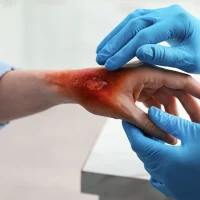
Severe burn injuries can change a person’s life in an instant. A serious burn can damage skin, muscle, nerves, and other tissues, requiring emergency treatment, multiple surgeries, lengthy rehabilitation, and years of follow-up care. Even after wounds heal, survivors can face permanent scarring, limited movement, chronic pain, and emotional trauma.
For many families, the financial impact continues long after the initial hospitalization. Medical expenses, lost income, home care, and the cost of future procedures can place enormous pressure on an injured person who is already coping with a difficult recovery.
When a severe burn results from someone else’s negligence, understanding the full extent of the injury is essential to pursuing fair compensation. Kalfayan Merjanian, LLP represents Californians in catastrophic injury cases and helps injured people and their families recover compensation for the long-term consequences of serious accidents.
What Makes a Burn Injury Catastrophic?
Burns vary in severity depending on their depth, size, location, and cause. Superficial burns affect the outer layer of skin, while deeper burns can destroy multiple layers of tissue and damage structures beneath the skin. Severe burns can result from fires, explosions, scalding liquids, electrical accidents, chemical exposure, and defective products.
The location of a burn can be just as important as its depth. Burns involving the face, hands, feet, joints, or genitals can interfere with essential functions and create lasting disabilities. Extensive burns can also disrupt the body’s ability to regulate temperature, maintain fluid balance, and protect against infection.
Severe burns often require treatment at a specialized burn center. Depending on the injury, treatment can involve emergency stabilization, wound management, skin grafting, surgery, infection prevention, pain control, and intensive rehabilitation.
The consequences are not always apparent during the initial hospitalization. Scar tissue can tighten over time, limiting movement. Nerve damage can cause lasting pain or altered sensation. Some patients need additional surgeries months or years after the original accident.
These long-term effects are important when evaluating a burn injury claim because the cost and impact of the injury can extend far beyond the initial emergency treatment.
What Long-Term Medical Treatment Might a Burn Survivor Need?
Recovery from a severe burn often involves several stages. Initially, medical teams focus on stabilizing the patient, preventing complications, removing damaged tissue when necessary, and closing wounds. Depending on the severity of the burn, the patient might require intensive care, intravenous fluids, respiratory support, and repeated surgical procedures.
Skin grafting is common in serious burns. During a graft procedure, surgeons use healthy skin from another part of the body or an appropriate substitute to cover damaged areas. Grafting can help wounds close and reduce the risk of infection, but it does not always restore normal skin appearance, sensation, or flexibility. Some patients require additional procedures to address complications or improve function.
Long-term care can include follow-up appointments with burn surgeons, dermatologists, plastic surgeons, pain management providers, and other specialists. Patients may need treatment for itching, nerve pain, wound breakdown, sensitivity to sunlight, or changes in skin texture and color.
Severe burns can also cause complications that require additional medical attention. Treatment plans must account for the possibility that a patient will need ongoing care well after the original wounds have closed.
When Is Reconstructive Surgery Necessary After a Severe Burn?
Burn scars can restrict movement when they form over joints or tighten as the skin heals. This process, known as scar contracture, can make it difficult to bend an elbow, extend a hand, turn the neck, or fully open the mouth. Contractures affecting the face can also interfere with eyelid closure or other functions.
Reconstructive surgery can release tight scar tissue, improve movement, restore function, or address damage to the face and other visible areas. Depending on the injury, surgeons might perform scar revision, tissue rearrangement, skin grafting, or more complex reconstruction.
Some procedures are planned after the wounds have healed and the scars have matured. Others are needed earlier to address severe restrictions or protect essential functions. A patient might undergo several operations over time as their needs change.
Reconstructive treatment is not always purely cosmetic. A procedure intended to release a contracture can improve a patient’s ability to perform everyday activities, while reconstruction involving the eyelids or mouth can help restore important functions.
Because the need for future surgery depends on how the injury heals, an early estimate of medical expenses should not assume that treatment ends after the initial hospitalization. A long-term care plan can help identify likely procedures, follow-up visits, and related recovery costs.
How Can Rehabilitation Help Burn Survivors Recover?
Medical treatment is only one part of recovery. Severe burns can cause weakness, reduced flexibility, loss of endurance, and difficulty performing routine tasks. Rehabilitation helps patients regain function, manage limitations, and adapt to lasting changes.
Physical therapy can help maintain or restore joint movement, build strength, and reduce the functional effects of scar contractures. Occupational therapy can help patients relearn daily activities, such as dressing, bathing, preparing meals, and using their hands. Some patients need customized splints, compression garments, or other equipment to support healing and manage scarring.
Rehabilitation can last months or longer, depending on the extent of the injury. Patients with extensive burns may need treatment at different stages of recovery, especially when additional surgeries interrupt progress or new restrictions develop.
Some people cannot immediately return to their previous jobs or living arrangements. They might need temporary assistance at home, modified work duties, or permanent changes to their routines. A realistic assessment of damages should account for these functional effects rather than focusing only on hospital bills.
Why Are Infection Risks a Serious Concern After Severe Burns?
The skin acts as a protective barrier against bacteria and other harmful organisms. Severe burns damage that barrier, leaving injured tissue vulnerable to infection. Extensive burns can also affect the body’s immune response, increasing the risk of serious complications.
Burn care often involves careful wound cleaning, dressing changes, monitoring for infection, and procedures to remove dead tissue. In serious cases, infections can enter the bloodstream and cause sepsis, a life-threatening reaction that can lead to organ damage.
Infection can delay wound closure, complicate grafting, increase hospital stays, and require additional treatment. Some patients need further surgery or intensive care when complications develop.
These risks make consistent medical monitoring important throughout recovery. A patient may appear to be improving and still require close observation as wounds heal or after reconstructive procedures.
When a burn injury results from negligence, later complications do not automatically eliminate the possibility of a claim. The medical evidence must establish how the original injury and subsequent complications relate to the losses being claimed.
What Are the Long-Term Effects of Permanent Burn Scarring?
Burn scars can affect much more than appearance. Depending on their location and severity, they can cause tightness, itching, pain, altered sensation, and reduced flexibility. Some scars become raised or thickened, while others change the color or texture of the skin. Extensive scarring can affect temperature regulation and make certain physical activities uncomfortable.
Visible scars can also change how a person feels about their appearance and how they interact with others. Facial burns, for example, can affect a person’s confidence in social or professional settings. Hand and arm scars can be difficult to conceal, while scars over joints can serve as constant reminders of functional limitations.
Scar management can include compression garments, silicone products, injections, laser treatment, or surgery, depending on the patient’s condition. These treatments can improve some symptoms or the appearance of scars, but they do not guarantee that scars will disappear.
The long-term consequences should be evaluated individually. Some survivors recover substantial function, while others face permanent limitations and repeated medical treatment. The fact that a wound has closed does not mean the injury has stopped affecting the person’s life.
How Can Severe Burns Affect Mental Health?
Burn recovery can involve substantial emotional challenges. Patients may experience anxiety, depression, post-traumatic stress symptoms, sleep difficulties, or distress related to changes in their appearance and abilities. The accident itself can be traumatic, and the pain and demands of treatment can add to the burden.
Some survivors struggle with returning to public settings, resuming relationships, or returning to work. Others experience distress when they encounter reminders of the accident or undergo painful procedures. Family members can also experience stress as they adjust to new caregiving responsibilities and uncertainty about the future.
Psychological treatment can be an important part of recovery. Counseling, mental health care, and peer support can help burn survivors manage trauma and adapt to changes in their lives.
In a personal injury claim, the emotional consequences of a severe burn can be part of the overall harm suffered. Compensation for pain and suffering can account for physical pain, emotional distress, and the effect of the injury on a person’s ability to enjoy daily life. These losses deserve consideration alongside medical expenses and lost income.
What Financial Losses Should a Burn Injury Claim Address?
Severe burn injuries can generate substantial expenses over a lifetime. A claim that accounts only for bills already received can leave an injured person without sufficient resources for future treatment and support.
Depending on the circumstances, recoverable losses can include damages such as:
- Emergency care, hospitalization, surgery, medications, and follow-up treatment.
- Future reconstructive procedures, scar management, rehabilitation, and psychological care.
- Medical equipment, assistive devices, home modifications, and necessary in-home assistance.
- Lost wages and reduced future earning capacity when the injury prevents a person from returning to their former work.
- Physical pain, emotional suffering, permanent scarring, and loss of enjoyment of life.
The value of a claim depends on the evidence and applicable law. Some losses can be calculated from bills, wage records, and employment information. Future medical expenses and reduced earning capacity often require expert analysis.
A life care planner can help estimate future treatment and support needs, while medical experts can explain the likely course of recovery. An economist can use those projections and financial information to estimate future costs and earnings losses.
A thorough evaluation should also consider how the injury affects the person’s ability to live independently, care for family members, and participate in activities that were important before the accident.
Who Can Be Held Responsible for a Severe Burn Injury?
Burn injuries can arise from many types of accidents, and liability depends on how the incident occurred. A negligent driver might cause a collision that leads to a vehicle fire. A property owner could be responsible if unsafe conditions or activities caused a wildfire. A manufacturer might face a product liability claim if a defective appliance, battery, or other product caused a burn.
Construction and industrial accidents can involve unsafe work practices, defective equipment, or the negligence of contractors and other third parties. Chemical burns can raise questions about handling procedures, warnings, and protective equipment.
Establishing liability requires evidence that identifies the cause of the accident and connects it to a legally responsible party. Relevant evidence can include photographs, incident reports, witness accounts, maintenance records, product information, and expert analysis. The circumstances should be investigated before responsibility is assigned or a settlement is accepted.
How Can Kalfayan Merjanian, LLP Help After a Catastrophic Burn Injury?
Severe burn injuries can require years of treatment and leave lasting physical, emotional, and financial consequences. Understanding the full impact takes more than adding up current medical bills. It requires evaluating future surgeries, rehabilitation, infection risks, scarring, psychological needs, lost earnings, and the ways the injury may affect everyday life.
Kalfayan Merjanian, LLP, helps Californians pursue personal injury claims when negligence causes catastrophic harm. The firm can investigate the circumstances of an accident, assess potential liability, and work to document the long-term losses associated with a severe burn.
If you or a loved one has suffered a serious burn injury because of another party’s negligence, contact Kalfayan Merjanian, LLP to discuss your situation and legal options. A comprehensive claim can help account for the care, support, and financial resources needed for the road ahead.
