

Birth Injuries Caused by Delayed Diagnosis of Placental Abruption
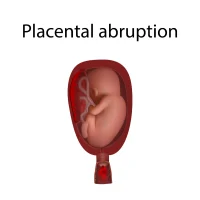
Placental abruption is a serious pregnancy complication that occurs when the placenta separates from the uterus before delivery. Because the placenta supplies a developing baby with oxygen and nutrients, this separation can quickly become dangerous. In severe cases, placental abruption can deprive a baby of oxygen, cause permanent brain damage, or lead to stillbirth.
Prompt recognition and treatment are critical. When healthcare providers fail to recognize warning signs, delay an emergency assessment, or fail to respond appropriately to signs of fetal distress, a preventable birth injury can result.
For families affected by a birth injury, understanding what happened during labor and delivery is an important step toward finding answers. Kalfayan Merjanian, LLP represents California families in serious birth injury cases, pursuing justice and compensation when medical negligence caused a child’s injuries.
What Is Placental Abruption, and Why Is It Dangerous?
The placenta develops during pregnancy and connects the baby to the mother’s blood supply through the umbilical cord. It delivers oxygen and nutrients the baby needs to grow and helps remove waste products. Normally, the placenta remains attached to the uterine wall until after the baby is born.
Placental abruption occurs when the placenta begins separating from the uterine wall before delivery. The separation can be partial or complete, and the severity can vary. As the placenta separates, blood vessels can rupture, and bleeding can occur. More importantly, the separation can interfere with the placenta’s ability to supply oxygen to the baby.
The condition can develop suddenly or progress over time. A small abruption does not always cause severe harm, but a significant separation can become a life-threatening emergency for both mother and baby. The mother can experience substantial blood loss, while the baby can develop fetal distress from inadequate oxygen delivery.
Because the consequences depend on the extent of the separation and how quickly the condition is recognized and managed, timely assessment is essential. Providers must evaluate concerning symptoms and respond to changes in the mother’s or baby’s condition rather than assuming that bleeding or abdominal discomfort is harmless.
What Warning Signs Can Indicate Placental Abruption?
Placental abruption does not always present in the same way. Some pregnant patients experience obvious vaginal bleeding and severe abdominal pain. Others have less dramatic symptoms, and bleeding can occur behind the placenta without much blood becoming visible externally. The absence of heavy vaginal bleeding therefore does not rule out the condition.
Potential warning signs include vaginal bleeding, sudden or persistent abdominal pain, back pain, uterine tenderness, frequent contractions, or a uterus that feels unusually firm. A pregnant patient may also report that the baby is moving less than usual. In some cases, the mother’s symptoms or vital signs suggest significant blood loss even when visible bleeding is limited.
These symptoms can overlap with other pregnancy complications, so they do not establish a diagnosis on their own. They do, however, warrant appropriate clinical evaluation based on the patient’s stage of pregnancy, medical history, symptoms, and overall condition.
Healthcare providers should take reports of new or worsening pain, bleeding, contractions, or reduced fetal movement seriously. A failure to obtain a complete history, perform an appropriate examination, or recognize a concerning pattern can delay the diagnosis of placental abruption.
How Should Healthcare Providers Assess Suspected Placental Abruption?
When placental abruption is suspected, providers must assess both the pregnant patient and the baby. The urgency of the evaluation depends on the symptoms, gestational age, maternal stability, and signs of fetal compromise.
The assessment commonly includes checking the mother’s vital signs, evaluating the amount of bleeding and degree of pain, and examining the abdomen and uterus. Providers also consider the patient’s medical and pregnancy history, including any known risk factors or previous complications.
Fetal monitoring is often particularly important when the pregnancy has reached a stage at which continuous or intermittent monitoring is appropriate. Monitoring the baby’s heart rate can reveal signs of distress, including abnormal patterns that suggest inadequate oxygen delivery. Concerning findings require prompt interpretation and an appropriate response.
Ultrasound may help evaluate the placenta and identify some cases of abruption. However, a normal ultrasound does not reliably rule out placental abruption. Diagnosis depends on the overall clinical picture, and providers must not dismiss concerning symptoms simply because imaging does not show a clear separation.
When the mother’s condition is unstable or fetal monitoring indicates serious distress, providers must act urgently. Repeating tests or continuing observation without a sound clinical basis can create dangerous delays.
How Can Delayed Intervention Endanger a Baby?
The central danger of placental abruption is that the separation can interfere with the baby’s oxygen supply. If the placenta can no longer deliver enough oxygen, the baby can develop hypoxia, meaning inadequate oxygen in the body’s tissues. Severe or prolonged hypoxia can damage the brain and other organs.
The degree of risk depends on how much of the placenta separates, whether the separation progresses, the baby’s condition before the event, and how quickly appropriate treatment occurs. A developing baby may deteriorate rapidly when a substantial portion of the placenta separates.
A delayed diagnosis can also postpone decisions about delivery. Depending on the circumstances, the medical team may need to provide emergency treatment to the mother, closely monitor the baby, or expedite delivery. If the baby is showing persistent signs of serious distress, continuing a labor plan that no longer safely meets the baby’s needs can increase the risk of permanent injury or death.
Not every placental abruption requires immediate cesarean delivery. Management depends on the severity of the abruption, the mother’s stability, the baby’s condition, gestational age, and whether vaginal delivery is imminent and safe. The concern is whether providers recognize the emergency and choose an appropriate course of action in time.
What Birth Injuries Can Result From Placental Abruption?
When placental abruption compromises oxygen delivery, a baby can sustain serious injuries. Some consequences become apparent immediately after birth, while others require ongoing evaluation as the child develops.
One major risk is hypoxic-ischemic encephalopathy (HIE), a type of brain injury caused by inadequate oxygen and blood flow to the brain. Depending on the severity, HIE can result in seizures, difficulties with movement, developmental delays, cognitive impairments, or permanent neurological disabilities. Some affected children develop cerebral palsy, although cerebral palsy has multiple possible causes and is not an inevitable outcome of HIE.
Other potential consequences include neonatal seizures, damage to organs affected by oxygen deprivation, and complications requiring intensive care. In severe cases, prolonged oxygen deprivation can result in stillbirth or neonatal death.
It is important to distinguish an injury caused by the abruption itself from one worsened by delayed medical intervention. A severe abruption can cause harm even when providers respond appropriately. A birth injury claim focuses on whether negligent care contributed to an avoidable injury or made an existing risk worse.
When Does a Delayed Diagnosis Constitute Medical Negligence?
A poor outcome does not automatically mean that medical negligence occurred. Placental abruption can be unpredictable, and some cases progress too rapidly to prevent all harm despite appropriate care. To establish a medical malpractice claim, the evidence must show that a healthcare provider failed to meet the applicable standard of care and that the failure caused harm.
Potential concerns include failing to investigate significant vaginal bleeding, dismissing persistent abdominal pain, overlooking signs of maternal instability, failing to respond appropriately to abnormal fetal heart rate patterns, or delaying necessary escalation of care. Other issues can include inadequate communication among members of the obstetric team or an unjustified delay in arranging an emergency delivery.
For example, suppose a patient reports severe abdominal pain and vaginal bleeding late in pregnancy. The medical team does not conduct an adequate assessment, and fetal monitoring later shows a worsening heart rate pattern. If providers fail to recognize the urgency and delay delivery, the baby may suffer oxygen deprivation that could have been reduced through earlier intervention.
Whether that conduct was negligent depends on the medical circumstances, the information available at the time, and what a reasonably careful provider would have done. Expert review is often necessary to assess the care provided and determine whether a different response would likely have changed the outcome.
How Can Families Prove That Delayed Treatment Caused a Birth Injury?
Birth injury cases involving placental abruption often require a detailed review of the timeline from the first warning signs through delivery and neonatal treatment. The goal is to understand when the condition may have become apparent, how the medical team responded, and whether earlier action could have prevented or reduced the injury.
Relevant evidence may include prenatal records, triage notes, nursing documentation, maternal vital signs, fetal heart rate monitoring strips, ultrasound findings, medication records, delivery notes, and communications among providers. Newborn records can also be crucial, including Apgar scores, blood gas results, neurological examinations, seizure evaluations, and records from the neonatal intensive care unit.
Experts may evaluate whether the symptoms warranted earlier assessment, whether fetal monitoring showed signs of oxygen deprivation, and whether the timing and method of delivery were appropriate. Neonatal or pediatric specialists may also assess the nature of the child’s injury and its likely cause.
Causation can be one of the most difficult issues. The defense may argue that the abruption was sudden, that the baby was already compromised before the relevant delay, or that the injury would have occurred even with appropriate care. Medical experts must evaluate those arguments against the full record rather than relying on hindsight alone.
Families can help preserve evidence by keeping copies of available medical documents and writing down what they remember about symptoms, conversations with providers, and the timing of events. An attorney can help obtain complete records and arrange an independent review.
What Compensation Is Available for a Birth Injury Caused by Medical Errors?
When medical negligence causes a birth injury, California law allows eligible claimants to pursue compensation for losses resulting from that negligence. The available damages depend on the facts, the injured child’s needs, and the legal claims involved.
Compensation in a serious birth injury case can include past and future medical expenses, rehabilitation, specialized therapies, assistive equipment, in-home care, and necessary home modifications. If the child will require support throughout life, the claim may need to account for decades of medical and personal care. Depending on the injury, future educational support and other services may also be relevant.
A careful assessment of future needs is especially important when a child has HIE, cerebral palsy, or another permanent neurological condition. Medical professionals and life care planning experts can estimate the services and equipment the child will need over time, while economic experts can calculate the associated costs.
California’s medical malpractice laws can affect the damages available and the deadlines for bringing a claim. Claims involving injured children have special timing considerations, but families should not assume they can wait until a child is older to seek legal advice. Early investigation can help preserve important evidence and clarify the applicable deadlines.
How Can Kalfayan Merjanian, LLP Help With a Placental Abruption Birth Injury Claim?
When a baby suffers a serious injury after a placental abruption, parents deserve answers about whether the condition was recognized promptly and whether the medical team responded appropriately. Determining what happened often requires a careful review of obstetric care, fetal monitoring, delivery decisions, and the baby’s medical condition after birth.
Kalfayan Merjanian, LLP helps California families investigate potential birth injury and medical malpractice claims. The firm can work with qualified experts to evaluate whether a delay in diagnosis or intervention contributed to a child’s injury, identify the evidence needed to support a claim, and pursue compensation for the child’s long-term needs.
If your baby experienced oxygen deprivation, brain injury, or another serious complication after a placental abruption, contact Kalfayan Merjanian, LLP to discuss your concerns and understand your family’s legal options. A thorough investigation can help clarify whether preventable medical errors played a role and what steps may be available to protect your child’s future.
