
Utility Company Liability After a Wildfire
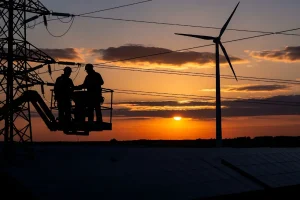
When a major wildfire devastates a California community, one of the first questions investigators ask is how the fire started. While some wildfires are caused by lightning or other natural events, many of California’s most destructive fires have been linked to utility equipment, including the Dixie Fire, the Camp Fire, the Eaton Fire, and several others. Power lines, transmission towers, transformers, and other electrical infrastructure have been identified as ignition sources in numerous catastrophic wildfires throughout the state.
For homeowners, business owners, and families affected by a wildfire, identifying a utility company as the cause of the fire can be significant. In many cases, victims may have legal claims against the utility company that extend far beyond the benefits available through insurance. These claims can provide compensation for property damage, business losses, personal injuries, and wrongful deaths resulting from the wildfire.
At Kalfayan Merjanian, LLP, we help wildfire victims understand their legal rights and pursue wildfire litigation to obtain compensation from all available sources. When utility equipment causes a wildfire, California law may provide powerful remedies for those who suffer losses.
Why Utility Equipment Causes Wildfires
California’s electrical grid spans thousands of miles and often passes through mountainous, rural, and heavily vegetated areas. During periods of drought, extreme heat, and high winds, electrical equipment can become a significant wildfire ignition source. Wildfires may start when utility infrastructure fails or is not properly maintained. Common causes include:
- Damaged power lines, worn equipment, and broken insulators, such as a broken jumper cable or faulty electrical arc from a steel transmission tower
- Vegetation contacting energized lines, including trees coming into contact with or falling onto transmission or distribution lines
- Equipment malfunctions or improper grounding procedures, such as a re-energized decommissioned power line
- Failures during high-wind events, such as cables colliding
Even a small spark can ignite dry grass, brush, or trees. Once a fire begins under the right conditions, it can spread rapidly across large areas and threaten entire communities.
Utility Companies Have Important Safety Responsibilities
Utility companies, such as Pacific Gas and Electric (PG&E) and Southern California Edison (SCE), are responsible for operating and maintaining their systems safely. These responsibilities include inspecting equipment, repairing known hazards, managing vegetation near power lines, and taking reasonable precautions when weather conditions increase wildfire risk.
California utilities like PG&E and SCE are subject to numerous safety regulations designed to reduce the risk of electrical fires. Compliance with these requirements is critical because failures can have catastrophic consequences. When a utility company neglects maintenance, ignores known hazards, delays necessary repairs, or fails to implement reasonable safety measures, it may be held legally responsible for the damage that results.
How Utility Negligence Is Proven
Many wildfire lawsuits are based on negligence. In these cases, victims must show that the utility company failed to exercise reasonable care and that the failure contributed to causing the wildfire. Evidence often examined in wildfire investigations includes maintenance records, inspection reports, internal communications, vegetation management programs, equipment history, weather conditions, and regulatory findings. Investigators may also analyze physical evidence from the fire’s origin area, review electrical system data, and consult engineering experts to determine whether utility equipment played a role in igniting the fire. Because these cases often involve extensive technical evidence, utility wildfire litigation frequently requires large-scale investigations and expert analysis.
What Is Inverse Condemnation?
California wildfire litigation may involve a legal doctrine known as inverse condemnation. Inverse condemnation occurs when a government agency or state actor, including publicly owned utilities like Los Angeles Department of Water and Power or Silicon Valley Power, renders private property useless or damages its value, without actually taking it for public use.
Inverse condemnation is important because it may allow property owners to recover compensation from certain utility companies even when proving traditional negligence is difficult. The doctrine is based on the principle that private property owners should not bear the financial burden of public services that cause damage to their property. In utility wildfire cases, the focus is often on whether the utility’s equipment substantially contributed to causing the fire and resulting damage. This legal theory has played a major role in some of California’s largest wildfire cases and has become an important tool for victims seeking compensation.
The Difference Between Negligence and Inverse Condemnation
Although negligence and inverse condemnation are often discussed together, they are different legal theories. Negligence focuses on whether the utility company acted unreasonably by failing to properly inspect, maintain, repair, or operate its equipment. Inverse condemnation focuses more directly on the relationship between the utility’s equipment and the resulting property damage. In many wildfire cases, attorneys pursue multiple legal theories simultaneously to maximize the opportunities for recovery.
What Damages Can Be Recovered?
Wildfire losses often extend far beyond the destruction of a building. Victims may be entitled to recover compensation for the full spectrum of harm, including:
- Damage to homes, businesses, and other structures
- Personal property losses
- Smoke, soot, and ash contamination
- Business interruption losses
- Lost income and lost profits
- Temporary housing and relocation expenses
- Landscaping and vegetation losses
- Cleanup and debris removal costs
When wildfires cause serious injuries or fatalities, additional claims may be available for personal injury and wrongful death damages. The goal is to compensate victims for the full scope of their losses, not simply the portion covered by insurance.
Insurance Claims and Utility Company Lawsuits
Many wildfire victims assume that filing an insurance claim is their only option. In reality, insurance and litigation often work together. Insurance benefits may provide immediate financial assistance for covered losses. However, policy limits may not fully compensate victims for the true cost of rebuilding and recovery. A lawsuit against a utility company may allow victims to pursue compensation for losses that exceed available insurance coverage. In many major wildfire cases, property owners, businesses, and families pursue both insurance claims and utility-related litigation as part of a comprehensive recovery strategy.
Personal Injury and Wrongful Death Claims
Wildfires can cause devastating injuries and loss of life. Burn injuries, smoke inhalation, respiratory complications, and evacuation-related accidents can leave victims facing lifelong consequences. When a wildfire causes injury or death, victims and surviving family members may have the right to pursue personal injury or wrongful death claims against the utility company responsible for the fire. These claims can seek compensation for medical expenses, lost income, pain and suffering, loss of financial support, and other damages allowed under California law.
Why Early Investigation Matters
Wildfire evidence can be lost or altered as cleanup and recovery efforts begin. At the same time, utility companies, government agencies, and insurance companies often launch investigations immediately after a fire. Prompt legal action helps preserve evidence, identify responsible parties, and ensure that critical information is obtained before it becomes unavailable. Early involvement by experienced attorneys and experts can also help victims understand the full extent of their losses and evaluate all potential avenues of recovery.
How Kalfayan Merjanian, LLP Helps California Wildfire Victims
Utility wildfire cases are often complex, involving extensive investigations, technical evidence, and multiple sources of compensation. At Kalfayan Merjanian, LLP, we help wildfire victims navigate these challenges while pursuing the financial recovery they need to rebuild their lives. Our firm investigates wildfire causes, analyzes potential utility liability, evaluates insurance issues, and works to hold responsible parties accountable. We understand that recovering from a wildfire includes more than repairing structures; it involves restoring stability, protecting families, and helping communities move forward. If a utility company’s equipment may have contributed to the wildfire that damaged your property, injured your family, or disrupted your business, we are prepared to help you explore your legal options.
Frequently Asked Questions
Can I sue a utility company after a wildfire?
Yes. If utility equipment contributed to causing the wildfire, property owners, businesses, injured individuals, and surviving family members may have legal claims against the utility company.
What is inverse condemnation in a wildfire case?
Inverse condemnation is a legal doctrine that may allow property owners to recover compensation when utility equipment causes damage, even when proving traditional negligence may be difficult.
Can I file a lawsuit if my insurance already paid part of my claim?
Yes. Insurance benefits may not fully compensate you for all losses. A utility company lawsuit may provide additional compensation beyond what insurance covers.
What types of damages can be recovered in a utility wildfire lawsuit?
Damages may include property damage, business losses, smoke and ash contamination, relocation expenses, personal injury damages, and wrongful death damages.
How long do I have to file a wildfire claim against a utility company?
The applicable deadline depends on the facts of the case and the legal claims involved. Because wildfire investigations begin immediately, it is important to consult an attorney as soon as possible.
Contact Kalfayan Merjanian, LLP
If you suffered property damage, business losses, personal injuries, or the loss of a loved one in a California wildfire, a utility company may be legally responsible for some or all of your losses. Insurance may be only one part of the recovery process. Contact Kalfayan Merjanian, LLP today to discuss your situation, learn about your legal rights, and explore whether utility negligence or inverse condemnation claims may help you recover the compensation you deserve.
