
Secondary Complications After a Spinal Cord Injury
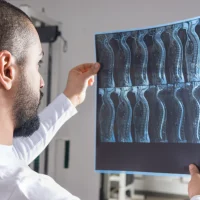
A severe spinal cord injury can change nearly every aspect of a person’s life. Damage to the spinal cord may affect movement, sensation, breathing, bladder and bowel function, and the body’s ability to regulate other essential processes. Even after the initial trauma has been treated, a person may face additional medical problems that require ongoing monitoring and care.
Secondary complications after a spinal cord injury can include pressure injuries, infections, respiratory problems, and dangerous blood clots. Some develop because the injury limits movement or affects normal bodily functions. Others may result from complications during hospitalization or rehabilitation. Without timely prevention and treatment, these conditions can lead to additional disability, repeated hospital stays, or life-threatening emergencies.
For people injured in serious accidents, the consequences can extend far beyond the initial trauma. Kalfayan Merjanian, LLP represents Californians who have suffered catastrophic injuries and helps families understand the potential long-term costs of a life-changing injury, including complications that arise during recovery.
When Can Secondary Complications Develop After a Spinal Cord Injury?
The spinal cord carries signals between the brain and the rest of the body. When trauma damages these pathways, the effects depend on the injury’s location and severity. Some people retain significant movement and sensation, while others experience paralysis or substantial loss of function below the injury.
Reduced mobility is one major reason secondary complications develop. A person who cannot change positions independently may remain in one position for too long, placing prolonged pressure on the skin and underlying tissue. Reduced sensation can make it difficult to recognize pain or discomfort that would normally prompt someone to move.
Spinal cord injuries can also interfere with breathing, coughing, bladder emptying, bowel function, and the body’s normal response to infection. These changes may create additional medical risks that require specialized care.
Not every person with a spinal cord injury develops the same complications. The risks depend on factors such as the injury’s level, the person’s overall health, mobility, and access to appropriate medical care. Preventive treatment, regular assessment, and timely intervention can help reduce the likelihood or severity of many complications.
How Can Pressure Injuries Affect People With Spinal Cord Injuries?
Pressure injuries, sometimes called pressure sores or bedsores, develop when prolonged pressure damages the skin and underlying tissue. They commonly occur over bony areas such as the heels, hips, tailbone, and ankles. People with spinal cord injuries may be particularly vulnerable if they have limited mobility or reduced sensation.
A person who cannot feel pressure or pain may not realize that tissue damage is developing. Without regular repositioning, appropriate cushions and mattresses, and routine skin checks, a seemingly minor area of redness can progress into a deep wound. Severe pressure injuries may damage muscle or bone and can become infected.
Prevention often requires a coordinated plan. Depending on the individual’s needs, this may include scheduled repositioning, pressure-relieving equipment, daily skin inspections, proper nutrition and hydration, and training for caregivers. People who use wheelchairs may need guidance on pressure-relief techniques and individualized seating assessments.
Once a pressure injury develops, treatment may involve wound care, pressure reduction, infection management, and, in severe cases, surgery. Recovery can be lengthy, particularly when the wound is deep or the person has other medical conditions.
A pressure injury does not automatically indicate negligent care. However, if a patient develops a serious wound because caregivers failed to follow an appropriate prevention plan, monitor the skin, or respond to early warning signs, the circumstances may warrant further investigation.
Why Are Infections a Serious Risk After Spinal Trauma?
People with spinal cord injuries may face an increased risk of several types of infection. Limited mobility, changes in bladder function, respiratory difficulties, and open wounds can all contribute to that risk.
Urinary tract infections are a particular concern when a person cannot empty the bladder normally. Some people need intermittent catheterization or another bladder-management method. These approaches can help manage urinary problems, but they also require appropriate technique, monitoring, and follow-up. A urinary infection can sometimes spread and cause a more serious illness.
Pressure injuries can become infected when damaged tissue is not properly protected and treated. In severe cases, infection may spread into deeper tissue or bone. Respiratory infections, including pneumonia, may also develop when a person has difficulty coughing effectively or clearing secretions.
Warning signs vary depending on the infection and the person’s condition. Fever, changes in urine, increased muscle spasms, unusual fatigue, changes in breathing, or worsening wounds may require medical assessment. Some people with spinal cord injuries may not experience typical symptoms, making regular monitoring especially important.
Preventing and treating infections may require wound care, appropriate hygiene, bladder-management support, respiratory care, diagnostic testing, and medication when indicated. Prompt recognition matters because an untreated infection can lead to hospitalization and, in severe cases, sepsis, a dangerous response to infection that can cause organ failure.
How Can a Spinal Cord Injury Cause Respiratory Complications?
Breathing problems are especially concerning after injuries affecting the cervical spine or upper thoracic spine. The nerves that control the diaphragm and other breathing muscles originate in or connect through areas of the spinal cord that may be affected by these injuries.
Depending on the injury, a person may have difficulty taking deep breaths, coughing strongly, or clearing mucus from the lungs. Secretions can accumulate, increasing the risk of airway obstruction, pneumonia, and other respiratory complications. Some people require mechanical ventilation or other breathing support, either temporarily or over the long term.
Respiratory complications can also arise during recovery. Reduced mobility, weakened breathing muscles, and prolonged hospitalization may make it harder to maintain healthy lung function. People with high-level injuries may need regular respiratory assessments, assisted coughing techniques, airway-clearance treatments, or specialized equipment.
Treatment depends on the severity of the injury and the person’s needs. It may involve respiratory therapy, medications, oxygen or ventilatory support, and careful monitoring for signs of infection or declining respiratory function.
Because breathing complications can progress quickly, healthcare providers must recognize concerning changes and respond appropriately. The specific monitoring and treatment required will depend on the individual’s condition and established medical guidance.
Why Are Blood Clots Dangerous After a Spinal Cord Injury?
A spinal cord injury can increase the risk of deep vein thrombosis (DVT), a blood clot that forms in a deep vein, usually in the leg. Immobility can slow blood flow, while the body’s response to major trauma may also increase clotting risk.
A DVT can cause swelling, warmth, pain, or discoloration, although some clots produce few noticeable symptoms. The danger increases if part of the clot breaks away and travels to the lungs, causing a pulmonary embolism. A pulmonary embolism can be life-threatening and requires emergency medical attention.
Preventive care may include prescribed blood-thinning medication, compression devices, and movement or rehabilitation exercises when appropriate. The plan depends on the patient’s injury, bleeding risk, other medical conditions, and stage of recovery. Prevention and monitoring are particularly important during the period after the initial injury when mobility is significantly reduced.
If a patient develops symptoms that suggest a clot, prompt evaluation is critical. Medical providers must balance the risks and benefits of preventive treatment and reassess the patient as their condition changes. Whether a failure to prevent, recognize, or treat a blood clot constitutes negligence depends on the circumstances and the applicable standard of care.
What Ongoing Medical Care May Be Needed After a Severe Spinal Cord Injury?
The initial hospitalization is often only the beginning of treatment. Depending on the injury, a person may need inpatient rehabilitation, outpatient therapy, specialist appointments, assistive equipment, home modifications, and personal care for years or throughout their lifetime.
Rehabilitation may focus on maintaining strength and flexibility, improving independence, preventing contractures, managing pain, and learning to use mobility devices. Occupational therapy can help a person modify daily activities, while physical therapy may address mobility, transfers, positioning, and safe movement. Some patients also need ongoing urological care, respiratory services, wound management, or treatment for chronic pain and muscle spasms.
Long-term care needs can change as a person ages or develops additional medical problems. Equipment may need replacement, caregivers may require specialized training, and accessible housing or transportation may become essential. Family members who provide care may also need support and respite services.
A comprehensive care plan should account for both current treatment and reasonably anticipated future needs. This is important not only for medical management but also for understanding the full financial impact of a catastrophic spinal cord injury.
How Do Secondary Complications Affect a California Spinal Cord Injury Claim?
When a spinal cord injury results from another party’s negligence, compensation may need to account for more than the immediate emergency treatment. Secondary complications can add substantial medical expenses and affect a person’s independence, comfort, and quality of life.
Depending on the evidence, a personal injury claim may include damages for past and future medical care, rehabilitation, medications, assistive devices, home modifications, personal assistance, lost earnings, and reduced future earning capacity. California law also permits recovery for qualifying non-economic losses, including physical pain and emotional suffering.
The medical connection between the original trauma and later complications can be important. Some complications are foreseeable consequences of a spinal cord injury, while others may be related to separate medical events or failures in care. Medical records and expert opinions can help determine which conditions resulted from the original injury, what treatment is reasonably expected in the future, and whether additional negligence contributed to the harm.
A person’s need for ongoing care should not be underestimated simply because the initial injury has stabilized. A claim that considers only early hospital bills may fail to reflect the long-term support and treatment a person will require.
How Can a Catastrophic Injury Attorney Help?
A severe spinal cord injury can create lifelong challenges for the injured person and their family. Pressure injuries, infections, respiratory complications, and blood clots may add to those challenges, making careful medical planning and a realistic assessment of future costs essential.
Kalfayan Merjanian, LLP represents people who have suffered catastrophic injuries in California and works to pursue compensation that reflects the full impact of those injuries. If you or a family member sustained a spinal cord injury because of another party’s negligence, contact the firm to discuss your circumstances, understand your legal options, and evaluate the compensation that may be available.
