
Preserving Evidence After a Fatal Accident: What Surviving Families Should Know
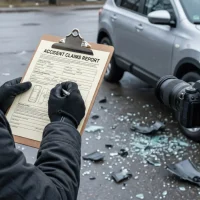
When a fatal accident takes the life of a loved one, families are left facing grief, difficult decisions, and uncertainty about what happened. While answers may not come immediately, the evidence gathered in the hours, days, and weeks after a fatal accident can be critical to understanding how it occurred and whether another party’s negligence contributed to the death.
Important evidence can disappear quickly. Damaged vehicles may be repaired or destroyed, surveillance footage may be overwritten, electronic data may be lost, and witnesses’ memories can fade. A prompt, thorough investigation can help preserve the information needed to establish liability and pursue a wrongful death claim.
For families in California, preserving evidence is not simply about determining who caused the accident. It can also be essential to holding responsible parties accountable and securing compensation for the losses caused by a preventable death. Kalfayan Merjanian, LLP represents families pursuing wrongful death claims and understands the importance of building a case on reliable evidence rather than assumptions.
Why Is Evidence Preservation So Important After a Fatal Accident?
A fatal accident does not always tell its own story. The location of vehicle damage, the condition of the roadway, a driver’s actions before impact, or a company’s failure to maintain equipment might help explain what happened. Without careful investigation, those details can be overlooked or lost.
Evidence can also be controlled by parties whose interests differ from those of the surviving family. An insurance company may begin investigating immediately, while a trucking company, vehicle owner, property owner, or other potential defendant may have access to important records and physical evidence.
Families should not assume that another party will preserve everything necessary to establish responsibility. A business may routinely delete recordings, a vehicle may be moved or repaired, and electronic systems may retain data for only a limited period. Some records are preserved only when a party receives a sufficiently specific request.
A wrongful death investigation seeks to identify the available evidence, determine what it shows, and preserve it before it becomes unavailable. This process can help establish how the accident occurred, identify potentially responsible parties, and support the family’s claim for damages.
How Can Vehicle Inspections Help Establish What Caused a Fatal Accident?
When a fatal accident involves a car, truck, motorcycle, or other vehicle, the vehicle itself may contain important evidence. Physical damage can help investigators reconstruct the collision, while mechanical components may reveal whether a defect or maintenance failure contributed to the crash.
A qualified accident reconstruction expert may examine impact points, deformation patterns, tire condition, braking systems, steering components, lighting, and other features relevant to the incident. In some cases, investigators need to determine whether a driver lost control because of road conditions, a mechanical problem, an unsafe maneuver, or another factor.
Vehicle inspections are particularly important when a commercial truck is involved. Investigators may need to examine braking systems, tires, cargo securement, vehicle maintenance, and other components that affect safe operation. Maintenance records and inspection reports can help establish whether a mechanical problem existed before the accident and whether it was properly addressed.
Preserving the vehicle in its post-accident condition can be essential. Repairs or salvage processing can change or destroy evidence. If a vehicle may be important to a wrongful death claim, an attorney can work to arrange an appropriate inspection, notify relevant parties, and document the condition of the vehicle before alterations occur.
The process should be handled carefully. Vehicle inspections may require coordination with insurers, owners, law enforcement, or other parties that have custody of the vehicle. Families should avoid attempting to access or alter a damaged vehicle themselves.
Why Should Families Act Quickly to Obtain Surveillance Footage?
Surveillance footage can provide an objective record of events before, during, or after a fatal accident. Traffic cameras, business security systems, residential doorbell cameras, parking lot cameras, and dashcams might capture details that witnesses did not notice or remember accurately.
Video may show a vehicle’s speed or direction, a traffic signal, a pedestrian’s movements, or the sequence of events leading to impact. Footage from nearby businesses or homes might also establish whether a driver stopped, whether another vehicle was involved, or how long a hazard had existed.
The challenge is that recordings are often retained for a limited time. Some systems automatically overwrite footage after a short period, while others record only when motion is detected. A camera may also capture only a portion of the scene, making it important to identify multiple potential sources.
Families should record the accident’s location, nearby businesses, intersections, and other places where cameras might be installed. If a potential recording is identified, a prompt preservation request can ask the owner or operator to retain the relevant footage. A formal legal request may be necessary in some circumstances.
A preservation request is not a guarantee that footage exists or will be provided voluntarily. Nevertheless, identifying potential recordings early can reduce the risk of losing evidence that might help explain the accident.
What Electronic Records Can Reveal About a Fatal Accident
Modern vehicles and commercial transportation systems generate electronic information that can help investigators reconstruct an accident. Depending on the vehicle and equipment involved, relevant records may include event data recorder information, telematics, GPS data, electronic braking information, and records from fleet management systems.
An event data recorder, sometimes described as a vehicle’s crash data recorder, may capture certain information surrounding a collision. Depending on the system, that information can include vehicle speed, braking, accelerator input, and other operating details. The available information and recording period vary by vehicle and system.
Commercial trucks may generate additional records through electronic logging devices and fleet systems. These records can help establish driving time, vehicle movement, and certain aspects of a driver’s work schedule. Dispatch communications, delivery records, and company messages may also help explain what the driver was doing before the crash.
Electronic evidence is not limited to vehicles. A fatal accident involving a dangerous product, workplace hazard, or unsafe property may require examination of inspection logs, maintenance databases, internal communications, or other digital records.
Because some electronic information can be overwritten, lost, or altered through ordinary system use, investigators need to identify relevant data sources promptly. In certain cases, qualified experts must use specialized equipment and procedures to retrieve and interpret the information.
Electronic records rarely tell the entire story on their own. They are most useful when compared with physical evidence, witness accounts, photographs, and other reliable information.
How Can Witness Statements Strengthen a Wrongful Death Investigation?
Witnesses may provide information that is not available from physical evidence alone. Someone who saw the accident may describe a driver’s actions, traffic conditions, a vehicle’s movement, or the sequence of events immediately before impact.
Other witnesses may have relevant information about what happened before the accident. For example, a person might have observed a truck driving erratically, a dangerous condition at a worksite, or a property hazard that had existed for some time.
Identifying witnesses early is important because memories can fade, contact information can become outdated, and people may become difficult to locate. Families should preserve the names and contact details of anyone who may have seen the accident or have relevant background information.
If someone voluntarily provides an account, it can be useful to record the date and circumstances of the conversation and preserve any written communication. Families should avoid pressuring witnesses, coaching their recollections, or attempting to coordinate stories. The goal is to preserve independent, accurate accounts.
An attorney or investigator can follow up with witnesses, obtain more detailed statements, and assess how their accounts fit with other evidence. Where accounts conflict, further investigation may help clarify what happened.
What Other Records Might Be Important After a Fatal Accident?
The evidence needed depends on how the death occurred. A fatal traffic collision, a workplace accident, a dangerous-property incident, and a product-related death may require different investigative approaches.
Potentially important records include:
- Medical and autopsy records: Medical records, treatment documentation, and autopsy findings may help explain the cause of death and the relationship between the accident and the fatal injuries.
- Maintenance and inspection records: Records involving vehicles, machinery, roadways, or property can help establish whether a responsible party knew or should have known about a dangerous condition.
- Employment and company records: In commercial vehicle or workplace cases, driver qualifications, training records, safety policies, schedules, and internal communications may help identify failures that contributed to the accident.
Records may be held by government agencies, hospitals, employers, insurers, private companies, or other third parties. Some may require formal requests, authorizations, subpoenas, or litigation procedures to obtain.
Families do not need to know every relevant record in advance. A timely investigation can identify the likely sources of evidence and determine which records should be preserved or requested.
What Is a Legal Preservation Letter, and When Is It Useful?
A preservation letter, sometimes called a spoliation letter, is a written request asking a person or organization to retain evidence that may be relevant to a potential legal claim. It can identify specific vehicles, electronic records, surveillance footage, maintenance documents, communications, or other materials that should not be destroyed or altered.
After a fatal commercial truck accident, for example, a preservation request might address the truck and trailer, electronic vehicle data, driver logs, inspection and maintenance records, dispatch messages, and available camera footage. A different accident may require preservation of property surveillance, workplace records, or a potentially defective product.
A well-targeted request identifies the incident and the categories of evidence that should be retained. It may also ask the recipient to suspend routine deletion or disposal practices for relevant materials.
Sending a letter does not automatically guarantee preservation, nor does it mean every requested item must be turned over immediately. The legal obligations and available remedies depend on the circumstances. If evidence is at risk, additional legal steps may be necessary.
Because evidence can be lost before a lawsuit is filed, families should not wait until litigation is underway to consider preservation. An attorney can help identify who controls important evidence and determine how best to protect it.
How Does Preserved Evidence Affect a California Wrongful Death Claim?
A wrongful death claim seeks compensation for losses suffered by eligible surviving family members because of another person’s death. Evidence can help establish that a defendant’s negligence or other legally actionable conduct caused the fatal accident and can support the damages being claimed.
California law determines who can bring a wrongful death action and what losses are recoverable. Depending on the circumstances, compensable losses can include the financial support the deceased would have provided, the value of household services, and certain losses associated with the relationship, such as companionship and care. The precise damages available depend on the claimant’s relationship to the deceased and the facts of the case.
Evidence of liability and evidence of damages serve different purposes. Accident reconstruction, vehicle data, and witness accounts may help establish how the death occurred. Financial records, employment information, and testimony from surviving family members may help demonstrate the economic and personal losses caused by the death.
A fatal accident may also support a separate survival action brought on behalf of the deceased person’s estate. That action can address certain claims the deceased could have pursued, subject to California law. The evidence needed for a survival action can overlap with a wrongful death investigation, but the two claims are legally distinct.
Preserving evidence early helps ensure that the family and its legal representatives can evaluate the available claims using the strongest information reasonably obtainable.
Why Should Families Seek Legal Guidance Early After a Fatal Accident?
Surviving families should not have to manage a complex investigation while grieving the loss of a loved one. Yet the decisions made in the early stages can affect whether important evidence remains available.
An experienced California wrongful death attorney can help identify potentially responsible parties, send preservation requests, coordinate vehicle inspections, work with qualified experts, and obtain records from companies or government agencies. An investigation may also reveal that more than one party contributed to the death, such as a negligent driver and an employer, vehicle owner, or manufacturer.
California wrongful death claims are subject to filing deadlines, and claims involving government entities can involve much shorter notice requirements. Families should seek advice promptly rather than assume they have unlimited time to investigate or bring a claim.
Kalfayan Merjanian, LLP represents California families pursuing wrongful death claims after fatal accidents. Our trial attorneys understand the importance of preserving evidence, investigating potential liability, and preparing cases for litigation. Although many claims resolve through settlement, thorough preparation can strengthen negotiations by showing how the accident occurred and establishing the losses the family has suffered.
If you have lost a loved one in a fatal accident, contact Kalfayan Merjanian, LLP to discuss your options. A timely investigation can help protect critical evidence, clarify who may be responsible, and support a claim for the compensation available under California law.
