
Fatal Rideshare Accidents in California: Who Is Liable After an Uber or Lyft Crash?
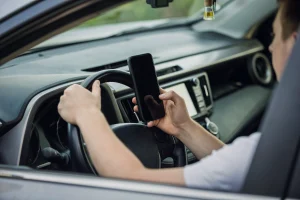
Uber and Lyft have become a routine part of daily life throughout California. Millions of rides are provided each year, helping people commute to work, travel to airports, attend events, and avoid driving after consuming alcohol. While rideshare services offer convenience, they also place thousands of additional vehicles on California roads every day. Unfortunately, some of those trips end in catastrophic or fatal accidents.
A fatal rideshare accident can affect many different people. The deceased may be an Uber or Lyft passenger, an occupant of another vehicle, a motorcyclist, a bicyclist, or even a pedestrian. Unlike many ordinary car accident cases, fatal rideshare collisions often involve complicated insurance issues and questions about who is legally responsible for the crash.
At Kalfayan Merjanian, LLP, we help families pursue wrongful death claims after preventable fatal accidents in California. Understanding how liability works in Uber and Lyft accident cases is an important first step toward protecting your family’s rights.
Who Can Be Liable After a Fatal Uber or Lyft Accident?
One of the first questions families ask is who can be held responsible for a fatal rideshare crash. The answer depends on the specific facts of the collision. In some cases, the rideshare driver is primarily responsible. In others, another motorist may have caused the accident. Some crashes involve multiple negligent drivers who share responsibility for the fatal event. Potentially liable parties may include, for example:
- The Uber or Lyft driver
- Another negligent motorist
- Multiple drivers involved in the collision
- A commercial vehicle operator or trucking company
- A vehicle manufacturer in defect-related cases
- A public entity responsible for dangerous road conditions
Identifying all responsible parties is critical because multiple insurance policies may be available to compensate surviving family members.
What if the Uber or Lyft Driver Caused the Crash?
Like all motorists, Uber and Lyft drivers have a duty to operate their vehicles safely. When a rideshare driver speeds, runs a red light, drives distracted, follows too closely, makes an unsafe lane change, or otherwise acts negligently, they may be held liable for resulting injuries and deaths. Many fatal rideshare accidents involve the same dangerous behaviors that cause other serious collisions, including distracted driving, impaired driving, fatigue, and reckless driving. However, unlike a typical crash, rideshare cases often require an additional layer of investigation concerning insurance coverage.
One of the most important issues in any Uber or Lyft accident case is determining what the driver was doing within the rideshare app at the time of the collision. Insurance coverage can vary significantly depending on whether the driver was actively working for the rideshare platform. Important questions include:
- Was the driver logged out of the app?
- Was the driver waiting for a ride request?
- Had the driver accepted a ride and been traveling to pick up a passenger?
- Was the driver actively transporting a passenger?
The answers to these questions can dramatically affect the amount of insurance coverage available after a fatal accident. If an Uber or Lyft driver was not logged into the app at the time of the collision, the case generally proceeds much like an ordinary car accident claim. The driver’s personal automobile insurance policy typically becomes the primary source of coverage. However, this can create challenges because personal policies often provide significantly lower coverage limits than rideshare policies. The insurance company might also argue that the driver was indeed working at the time or not, which could allow it to disclaim coverage, setting up an insurance coverage dispute.
When a rideshare driver is logged into the app and available to accept rides but has not yet accepted a passenger request, a different insurance framework applies. Uber and Lyft provide contingent liability coverage during this period up to $50,000 per person and $100,000 per person for bodily injury. This amount is far greater than the $30,000 per person and $60,000 per accident that most drivers carry on their personal policies.
Even larger rideshare insurance policies come into play when a driver has accepted a ride request or is actively transporting a passenger. In these situations, both Uber and Lyft provide up to a million dollars in liability insurance coverage. This fact is significant because fatal accidents frequently occur while drivers are actively engaged in rideshare operations, when they are more likely to be distracted or speeding.
Because substantial insurance coverage may be available during these periods, obtaining rideshare records and app data can be critical. Determining the driver’s precise status at the time of the crash often becomes a key issue in the investigation.
What Happens When an Uber or Lyft Passenger Is Killed?
Passengers rarely have any role in causing a rideshare accident. When an Uber or Lyft passenger dies in a collision, surviving family members may have the right to pursue a wrongful death claim against whichever party or parties caused the crash. If the rideshare driver is responsible, the million-dollar insurance policy would apply. Family members must still produce the evidence proving the driver was at fault. Insurers, meanwhile, might push back and blame the other driver to avoid having to make a large payout.
Sometimes both drivers share fault. The investigation must identify all negligent parties and all applicable insurance policies. Because passengers are generally innocent victims, these claims often focus heavily on determining which parties bear legal responsibility for the collision.
What If Someone in Another Vehicle Is Killed?
Not all fatal rideshare accidents involve passengers. Many serious crashes occur when an Uber or Lyft vehicle collides with another passenger vehicle, motorcycle, bicycle, pedestrian, or commercial truck. If an occupant of another vehicle dies because of a rideshare driver’s negligence, surviving family members may pursue a wrongful death claim just as they would in any other fatal accident case. However, the involvement of Uber or Lyft often introduces additional insurance issues that may increase the compensation available to victims’ families.
Can Uber or Lyft Be Sued Directly?
Many families assume they can automatically sue Uber or Lyft whenever one of the company’s drivers causes a crash. The reality is more complicated. Rideshare companies generally classify drivers as independent contractors rather than employees. As a result, establishing direct corporate liability is often more difficult than in cases involving traditional employers. That said, the rideshare company’s insurance coverage may still play a major role in compensating victims even when direct liability claims against the company are disputed. Because this area of law continues to evolve, every case should be evaluated individually.
What Evidence Is Important in a Fatal Rideshare Accident Case?
Successful wrongful death claims often depend on securing evidence quickly. Important evidence may include police reports, eyewitness statements, vehicle damage photographs, surveillance footage, accident reconstruction analysis, cell phone records, electronic vehicle data, rideshare app records, GPS information, and communications between the driver and the rideshare platform. In rideshare cases, electronic records frequently provide crucial information regarding the driver’s location, trip status, speed, route, and activity within the app. Preserving this evidence early can strengthen a family’s claim.
What Compensation Is Available Through a Wrongful Death Claim?
No legal claim can undo the loss of a loved one. However, California’s wrongful death laws allow eligible family members to seek compensation for the losses resulting from a fatal accident. Recoverable damages may include the loss of financial support the deceased would have provided, funeral and burial expenses, and the loss of love, companionship, comfort, care, assistance, protection, affection, guidance, and moral support. The death of a spouse, parent, child, or other close family member often creates both emotional and financial hardships that can affect a family for years.
Who Can File a Wrongful Death Claim in California?
California law identifies specific individuals who may pursue wrongful death claims. First, eligible claimants include surviving spouses, domestic partners, and children. If these family members don’t exist, grandchildren or more distant relatives identified under California intestate succession laws may pursue a claim. Because California generally requires eligible heirs to participate in a single wrongful death action, it is important to identify all potential claimants early in the process.
Why Is Prompt Action Important?
Fatal rideshare accident cases often involve electronic evidence that may not remain available indefinitely. App records, GPS data, surveillance footage, and vehicle data can become more difficult to obtain as time passes. Witness memories may fade, and critical evidence may be lost. Early investigation allows attorneys to preserve evidence, identify insurance coverage, and begin building the strongest possible case on behalf of surviving family members.
How Kalfayan Merjanian, LLP Helps California Families After Fatal Rideshare Accidents
At Kalfayan Merjanian, LLP, we understand the profound impact a fatal accident can have on a family. When an Uber or Lyft collision results in the loss of a loved one, families often find themselves facing complex questions about insurance coverage, liability, and their legal rights. Our firm conducts thorough investigations, analyzes rideshare records, works with accident reconstruction experts, and pursues the compensation families deserve. Whether the deceased was a rideshare passenger or an occupant of another vehicle, we are committed to helping our clients seek answers, accountability, and justice. If you have lost a loved one in a fatal Uber or Lyft accident, contact Kalfayan Merjanian, LLP to discuss your legal options and learn how we can help protect your family’s rights.
