

The Most Dangerous Left-Turn Accidents in California
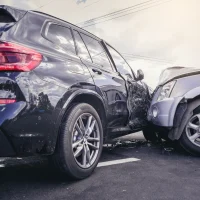
Left turns are a routine part of driving, but they also create some of the most dangerous situations on California roads. A driver making a left turn must monitor oncoming traffic, judge the speed and distance of approaching vehicles, watch for pedestrians and bicyclists, and navigate traffic signals or other right-of-way rules. A mistake can result in a high-speed collision with little opportunity for the other road user to avoid the crash.
These accidents can be especially serious when the vehicle making the turn strikes a motorcycle, bicycle, or pedestrian. The consequences can include traumatic brain injuries, spinal cord injuries, fractures, amputations, and death. California law places specific obligations on drivers making left turns, and determining whether those obligations were violated can be critical to an injured person’s claim.
At Kalfayan Merjanian, LLP, our California personal injury trial lawyers represent people seriously injured in all types of car, motorcycle, bicycle, and pedestrian accidents, including dangerous left-turn accidents. We investigate the circumstances of left-turn collisions to determine what happened and hold those responsible accountable to the people they have harmed.
Why Are Left-Turn Accidents So Dangerous?
A left-turn maneuver requires a driver to cross the path of traffic moving in the opposite direction. The turning driver may have only a few seconds to assess whether a gap in traffic is large enough to complete the maneuver safely. The danger increases when the driver misjudges the approaching vehicle’s speed or distance, becomes distracted, fails to see a vehicle that is difficult to perceive, or enters the intersection without adequately checking all lanes of oncoming traffic. The result can be a side-impact collision or a direct frontal collision for the approaching vehicle. When the other road user is a motorcyclist, bicyclist, or pedestrian, the risk of severe injury is even greater.
When Does a California Driver Have to Yield Before Turning Left?
California Vehicle Code § 21801 addresses the duty to yield during a left turn. A driver intending to turn left must yield to approaching vehicles that are close enough to constitute a hazard and must continue yielding until the turn can be made with reasonable safety. That continuing duty can become particularly important when one vehicle slows or stops and temporarily obscures another approaching vehicle.
The law is important because a driver cannot simply decide that an approaching vehicle is far enough away and proceed without continuing to assess the traffic situation. California’s civil jury instruction on left turns explains that a “hazard” exists when an approaching vehicle is so near or approaching so fast that a reasonably careful person would recognize a danger of collision. The instruction also recognizes that, on roads with multiple lanes of oncoming traffic, the turning driver must check for hazards before proceeding across each successive lane.
Which Left-Turn Crashes Cause the Most Serious Injuries?
Not every left-turn collision is alike. The severity of the resulting injuries depends on the speed and size of the vehicles, the point of impact, the road configuration, and who was involved. Some particularly dangerous scenarios include a left-turning car striking an oncoming motorcycle, turning across the path of a bicyclist in a bike lane, or turning through a crosswalk and hitting a pedestrian. A left-turning car can also collide with an oncoming passenger vehicle at an intersection, sometimes producing a high-energy side-impact or front-end crash.
California traffic-safety data reflects the significance of improper turning and right-of-way violations in serious motorcycle crashes. The California Office of Traffic Safety identifies improper turning and automobile right-of-way violations among important primary crash factors in fatal and serious-injury motorcycle collisions.
Why Do Drivers Fail to See Oncoming Cars, Motorcycles, and Bicyclists?
Lack of visibility is one of the most common excuses given after a left-turn crash. A driver may look toward oncoming traffic, see one vehicle, and then begin turning without recognizing a second vehicle approaching in another lane. Motorcycles and bicycles can be particularly difficult to perceive because they present a smaller visual profile than passenger cars. But difficulty seeing another road user is not automatically a defense. Drivers are expected to maintain a proper lookout and exercise reasonable care before and during a turn. The California jury instruction on left turns specifically emphasizes that the turning driver must continue to determine whether an approaching vehicle presents a hazard as the driver moves across the roadway.
What If the Driver Had a Green Light?
A green traffic signal does not necessarily mean that a driver can turn left without regard for oncoming traffic. For an unprotected left turn, the driver may still have to yield to approaching traffic. The existence of a green light therefore does not automatically establish that the turning driver had the right of way over an oncoming vehicle. The actual signal configuration, whether a protected left-turn arrow was displayed, the timing of the lights, and the movements of the vehicles all may become relevant. In a disputed collision, investigators may seek traffic-camera footage, signal-phase information, surveillance video, and eyewitness testimony to determine what each driver was legally authorized to do.
What If the Other Driver Was Speeding?
Speed can become a significant issue after a left-turn collision. A turning driver may argue that the oncoming vehicle was traveling so fast that the driver could not reasonably have anticipated the collision. The approaching driver may argue that they had the right of way and that the turning vehicle entered their path when it was unsafe to do so. The evidence must be examined carefully. California Vehicle Code § 21801 focuses on whether the approaching vehicle was close enough to constitute a hazard, including whether it was approaching so quickly that a reasonably careful person would recognize a danger of collision. Accident reconstruction can help determine vehicle speeds, distances, reaction times, and whether the turning driver had an adequate opportunity to see and yield to the approaching vehicle.
How Do Left-Turn Crashes Involving Motorcycles Differ?
Motorcycles present particular challenges because their smaller size can make their distance and speed more difficult for an inattentive driver to judge. A driver turning left may see the motorcycle but incorrectly believe there is sufficient time to complete the turn. The motorcycle then reaches the intersection before the driver has cleared its path. California’s Office of Traffic Safety identifies improper turning as a significant factor in fatal and serious-injury motorcycle crashes, underscoring the importance of careful driving around motorcycles. The fact that a motorcyclist is more vulnerable does not shift the driver’s legal responsibility. Motorcyclists must operate safely and obey traffic laws, while motorists must remain alert for motorcycles and yield when required.
What About Pedestrians in Crosswalks?
A driver turning left through an intersection must also account for pedestrians who may be crossing the roadway. Left-turning drivers can be focused heavily on oncoming vehicles and fail to notice a person already entering or crossing the intersection. Because pedestrians have little physical protection, a collision can result in severe or fatal injuries even at relatively low vehicle speeds. In these cases, surveillance footage and witness testimony can be particularly important in establishing the pedestrian’s location and the driver’s actions immediately before impact.
How Can You Prove the Left-Turning Driver Caused the Crash?
A successful personal injury claim may depend on establishing the sequence of events with as much objective evidence as possible. Potential evidence includes intersection surveillance, traffic-camera recordings, dash-camera footage, photographs, eyewitness statements, vehicle damage, skid marks, debris patterns, traffic signal information, and electronic vehicle data. Accident reconstruction experts may analyze this evidence to determine vehicle speeds, points of impact, lines of sight, reaction times, and the sequence of the collision. Medical records then establish the injuries that resulted from the crash and the treatment those injuries require.
What If the Accident Happened in a Multi-Lane Intersection?
Multi-lane intersections can make left-turn accidents particularly difficult to analyze. A driver may see one oncoming vehicle slow down or stop and then begin turning, only to encounter another approaching vehicle in the next lane. California’s left-turn rules specifically address this situation: the driver must continue assessing oncoming traffic and cannot assume that one vehicle’s conduct makes the remaining lanes safe. Video evidence can be invaluable in determining what the driver could see and whether the driver proceeded across successive lanes without adequately checking for approaching traffic.
Can a Fatal Left-Turn Accident Create a Wrongful Death Claim?
Some left-turn collisions are fatal, particularly when the crash involves a motorcycle, bicycle, pedestrian, or high-speed vehicle collision. California’s Office of Traffic Safety reported 4,061 traffic fatalities statewide in 2023, including 583 motorcyclists and 1,106 pedestrians. When another driver’s negligent left turn causes a fatal collision, eligible surviving family members may have a wrongful death claim. The investigation can become especially important when the deceased person is unable to provide their own account of what happened.
What Evidence Should Be Preserved After a Left-Turn Collision?
Some of the strongest evidence may disappear quickly. Traffic and business surveillance systems can overwrite recordings. Vehicles can be repaired or salvaged. Debris and skid marks can disappear, and witnesses’ recollections may fade. Prompt investigation can help preserve available video, identify witnesses, document the intersection, obtain police records, and preserve the vehicles for inspection when necessary. The sooner this process begins, the better the chance of finding evidence that can establish how the collision occurred.
What If the Injured Person Is Accused of Being at Fault?
This is a separate issue from determining which driver was responsible for causing the crash. California’s comparative negligence rules may apply when a plaintiff is alleged to have contributed to their own injuries. For example, a motorcyclist, bicyclist, or driver may be accused of speeding or otherwise failing to exercise reasonable care. If a plaintiff is found partly responsible, the plaintiff’s damages may be reduced according to the percentage of fault assigned to that plaintiff. But the fact that an injured person is accused of some negligence does not establish that the other driver’s left turn was safe or lawful. The evidence should first establish what each person actually did. Our California car accident lawyers often have to push back when insurers make unfounded claims of shared fault to reduce what they have to pay.
Contact Kalfayan Merjanian, LLP
Left-turn accidents can produce devastating injuries when a driver fails to see approaching traffic, misjudges a vehicle’s speed, or turns without yielding when required. California law places an ongoing duty on drivers making left turns to watch for approaching vehicles and proceed only when the maneuver can be completed safely. When a negligent left turn causes serious injury or death, Kalfayan Merjanian, LLP can investigate the collision, preserve critical evidence, work with accident reconstruction experts when appropriate, and pursue compensation for injured victims and their families. Contact Kalfayan Merjanian, LLP today to discuss your accident and learn about your legal options.
