
Alcohol-Impaired Drivers and Fatal Pedestrian Collisions
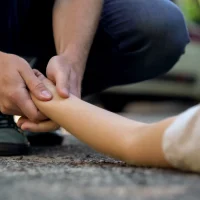
Drunk driving remains one of the leading causes of preventable deaths on California roadways. While many people think about alcohol-related crashes involving multiple vehicles, pedestrians are among the most vulnerable victims of impaired drivers. A person walking through a crosswalk, along a neighborhood street, or in a parking lot has little protection when a driver under the influence fails to react appropriately.
For families who lose a loved one in a fatal pedestrian accident, learning that alcohol played a role can make an already devastating loss even more difficult to process. California law provides important remedies through wrongful death claims, allowing surviving family members to pursue compensation and hold intoxicated drivers accountable for the harm they have caused.
How Alcohol Affects Driving Ability
Even relatively small amounts of alcohol can impair a person’s ability to operate a motor vehicle safely. Alcohol affects judgment, reaction time, coordination, depth perception, and the ability to process multiple sources of information at once. Drivers under the influence are more likely to speed, ignore traffic signals, drift between lanes, or fail to notice pedestrians in or near the roadway.
At night, these dangers become even more pronounced. Reduced visibility combined with alcohol impairment creates a particularly deadly combination, helping explain why many fatal pedestrian accidents occur during evening and overnight hours. An impaired driver may not see a pedestrian until it is too late to stop—or may never realize the person is there at all.
Pedestrians Face Extraordinary Risks From Drunk Drivers
Unlike motorists and passengers, pedestrians have no seat belts, airbags, or protective structures to shield them from the force of a collision. When a driver under the influence strikes someone on foot, the injuries are often catastrophic. Traumatic brain injuries, internal bleeding, spinal cord injuries, and multiple fractures are common. Many victims do not survive the impact. Children and elderly pedestrians are especially vulnerable. Older adults may be less able to withstand severe injuries, while children can be difficult for impaired drivers to see or react to in time. The consequences extend far beyond the victim. Entire families are left grieving the sudden and preventable loss of a loved one.
Where Do Alcohol-Related Pedestrian Fatalities Most Commonly Occur?
Fatal pedestrian collisions involving impaired drivers can happen virtually anywhere, but certain locations present greater risks. Entertainment districts, restaurant areas, sporting venues, and downtown corridors often see increased pedestrian activity during the same hours that alcohol consumption is most common. Residential neighborhoods can also become dangerous when impaired drivers travel home late at night.
Crosswalks are not always safe havens. Many drunk drivers fail to yield to pedestrians who are lawfully crossing the street, sometimes running red lights or making turns without paying attention to people in the roadway.
Parking lots and commercial properties can present additional hazards, particularly when drivers leaving bars or restaurants attempt to operate their vehicles despite being impaired.
Criminal Charges and Civil Wrongful Death Claims Are Different
When a drunk driver causes a fatal pedestrian accident, criminal charges may follow. Depending on the circumstances, prosecutors may pursue DUI, gross vehicular manslaughter while intoxicated, or other serious offenses. A criminal case, however, is separate from a civil wrongful death claim. The purpose of a criminal prosecution is to punish wrongdoing and protect the public. A wrongful death action, by contrast, allows surviving family members to seek financial compensation for the losses they have suffered.
The outcome of a criminal case does not determine whether a civil claim can succeed. Families may pursue wrongful death claims regardless of whether the driver is convicted, accepts a plea agreement, or faces reduced charges.
What Damages Can Families Recover?
California wrongful death laws recognize that the loss of a loved one creates both financial and emotional hardships. Eligible family members may seek compensation for an array of damages, including:
- Funeral and burial expenses
- The loss of future financial support
- The loss of household services
- The loss of companionship, care, affection, and guidance
- The loss of a parent’s training and moral support for children
The law recognizes that a person’s value cannot be measured solely by income. The love, support, and presence that a family member provides are equally important and deserving of protection.
Insurance Issues in Alcohol-Related Fatalities
Even when liability appears obvious, insurance companies may still attempt to limit what they pay. Insurers sometimes argue that the pedestrian contributed to the accident by crossing outside a crosswalk, wearing dark clothing, or failing to observe approaching traffic. California’s comparative fault rules can reduce the value of a civil claim, making these arguments an important aspect of many wrongful death cases. A thorough investigation often reveals that the driver’s intoxication, excessive speed, or failure to maintain a proper lookout was the true cause of the collision.
In some cases, additional insurance coverage may also be available through employers, commercial vehicle policies, or other responsible parties.
The Importance of Preserving Evidence
Evidence is particularly important in alcohol-related pedestrian fatalities. Investigators may rely on, for instance:
-
- Police reports and DUI arrest records
- Blood alcohol concentration (BAC) test results
- Surveillance footage
- Witness statements
- Accident reconstruction analysis
- Cell phone records showing distraction
- Vehicle event data recorders
Prompt action helps preserve this evidence and provides families with a clearer understanding of how the tragedy occurred. Early investigation can also identify all potential sources of compensation and ensure that important legal deadlines are not missed.
How Kalfayan Merjanian, LLP Helps Families After Fatal DUI Pedestrian Accidents
At Kalfayan Merjanian, LLP, we understand that no family should have to endure the pain of losing a loved one because someone chose to drive under the influence of alcohol. We conduct comprehensive investigations, preserve critical evidence, and pursue the full range of remedies available under California wrongful death law. Our firm works to hold impaired drivers accountable while helping families secure the financial resources they need to move forward after an unimaginable loss.
If your family has lost a loved one in a fatal pedestrian accident caused by a drunk driver, contact Kalfayan Merjanian, LLP to learn more about your legal rights and how we may be able to help.
