
Fatal Left-Turn Accidents and Wrongful Death Liability in California
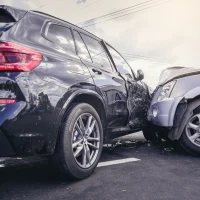
Intersections are among the most dangerous locations on California roads. Vehicles traveling in different directions must navigate traffic signals, right-of-way rules, pedestrians, bicyclists, and changing traffic conditions, often within a matter of seconds. When drivers make mistakes at intersections, the consequences can be catastrophic.
Among the most common and deadly intersection collisions are left-turn accidents. These crashes frequently occur when a driver attempts to turn left across oncoming traffic and misjudges the speed, distance, or path of an approaching vehicle. Because the turning vehicle crosses directly into the path of another motorist, left-turn crashes can result in high-speed side-impact, angle, and head-on collisions that cause fatal injuries.
At Kalfayan Merjanian, LLP, we represent families who have lost loved ones in preventable traffic accidents. Understanding how California law addresses left-turn collisions can help surviving family members better understand their legal rights to pursue a wrongful death claim after a fatal crash.
Why Are Left-Turn Accidents So Dangerous?
A left turn is one of the most complex driving maneuvers a motorist performs. Unlike a right turn, which generally involves merging into traffic traveling in the same direction, a left turn often requires crossing one or more lanes of oncoming traffic. The driver must accurately assess approaching vehicles, traffic signals, roadway conditions, and potential hazards before proceeding. A small error in judgment can have devastating consequences. Many fatal left-turn accidents occur because the turning driver believes they have enough time to complete the maneuver when they do not. Others occur because the driver simply fails to see an approaching vehicle altogether.
Why Do Left-Turn Crashes Frequently Result in Fatal Injuries?
The forces involved in many left-turn collisions are severe. One common scenario involves a vehicle turning left directly into the path of an oncoming car traveling at full speed. Because the oncoming driver may have little or no time to react, the collision often occurs at significant impact speeds. These crashes can produce catastrophic injuries, including traumatic brain injuries, spinal cord injuries, internal organ damage, and fatal trauma. Motorcyclists are particularly vulnerable in left-turn accidents because they have little protection from the force of the impact. Pedestrians and bicyclists may also be involved when drivers focus on oncoming traffic while failing to observe vulnerable road users in the intersection.
What Does California Traffic Law Say About Left Turns?
California law generally places significant responsibility on drivers making left turns. Under California Vehicle Code section 21801, a driver intending to turn left or complete a U-turn across oncoming traffic must yield the right-of-way to vehicles approaching from the opposite direction that are close enough to constitute a hazard. In practical terms, this means the turning driver usually has the duty to wait until it is safe to proceed. Many left-turn accident cases center on whether the turning driver properly yielded before entering the path of another vehicle.
Does Having a Green Light Automatically Give a Driver the Right-of-Way
No. One of the most common misconceptions about intersection accidents is that a green traffic signal automatically gives every driver unrestricted authority to proceed. In many intersections, drivers making left turns receive a standard circular green light rather than a protected green arrow. When that happens, the driver may enter the intersection to prepare for the turn but must still yield to oncoming traffic before completing the maneuver. The existence of a green light does not eliminate the duty to yield. This distinction becomes extremely important in wrongful death litigation involving fatal left-turn collisions.
What Happens When Visibility Is Limited?
Visibility issues frequently play a role in left-turn accidents. A driver may claim they could not see an approaching vehicle because of glare from the sun, darkness, weather conditions, landscaping, parked vehicles, roadway design, or other obstructions. While visibility concerns can be relevant, they do not automatically excuse a collision. Drivers have a continuing duty to operate their vehicles safely under existing conditions. If visibility is limited, the driver may be required to proceed more cautiously or wait until it is safe to complete the turn. In some cases, poor visibility may actually strengthen the argument that the driver should have exercised greater care.
Why Are Motorcycles Frequently Involved in Fatal Left-Turn Accidents
Motorcycles present unique visibility challenges. Because motorcycles are smaller than passenger vehicles, some drivers fail to detect them while scanning for oncoming traffic. Others misjudge the motorcycle’s speed or distance. A driver may look directly at an approaching motorcycle and still incorrectly conclude that there is enough time to turn. These perception errors contribute to a significant number of serious and fatal motorcycle accidents at intersections throughout California.
What Evidence Is Important in Fatal Left-Turn Accident Cases?
The outcome of a wrongful death claim often depends on the available evidence. Investigators typically seek to reconstruct the collision and determine exactly how it occurred. Important evidence may include:
- Police reports
- Eyewitness testimony
- Surveillance camera footage
- Traffic camera recordings
- Vehicle event data recorder information
- Photographs of the accident scene
- Skid mark analysis
- Vehicle damage patterns
- Accident reconstruction expert opinions
In many cases, electronic vehicle data can provide valuable information regarding speed, braking, steering inputs, and other factors immediately before the collision. Preserving this evidence early is often critical.
What If There Are No Independent Witnesses?
Many fatal left-turn accidents occur within seconds and leave few surviving witnesses. When independent witnesses are unavailable, physical evidence often becomes even more important. Accident reconstruction experts may analyze vehicle damage, roadway markings, impact locations, and electronic data to determine how the collision occurred. These experts can frequently provide valuable insights regarding vehicle speeds, driver actions, and whether the turning driver had sufficient time to yield safely.
How Do Insurance Companies Defend Left-Turn Accident Cases?
Although California law generally places responsibility on the driver making the left turn, insurance companies often attempt to shift some or all of the blame onto the deceased. Common defense arguments include claims that the other driver was speeding, distracted, impaired, or otherwise caused or contributed to the collision. For example, an insurer may argue that the oncoming vehicle was traveling so fast that the turning driver could not reasonably anticipate its approach. In some cases, the defense may contend that both drivers shared responsibility for the crash.
California follows a comparative negligence system. This means a defendant may argue that the deceased contributed to the accident in some way. If a jury assigns a percentage of fault to the deceased, damages may be reduced accordingly. Insurance companies frequently use comparative fault arguments to reduce potential payouts. However, the mere existence of a comparative negligence defense does not mean the argument is supported by the evidence. Many fatal left-turn accidents occur because the turning driver failed to yield the right-of-way, regardless of the defenses later raised by
insurers. A thorough investigation is often necessary to separate legitimate issues from speculative arguments designed to reduce liability.
It is important to understand why these arguments are made: to reduce the liability of the left-turning driver. These arguments require careful analysis of the evidence and sometimes expert testimony. A skilled plaintiff’s attorney knows how to fight back against unfounded allegations and see to it that blame is placed properly where it lies.
Who Can Bring a Wrongful Death Claim After a Fatal Left-Turn Accident in California?
California law allows certain surviving family members to pursue wrongful death claims when a loved one’s death is caused by another person’s negligence. Eligible claimants begin with surviving spouses or domestic partners and children. If there is no spouse, partner, or child living, grandchildren and other family members entitled to inherit can pursue a claim under California’s wrongful death statute, CCP377.60. Determining who may participate in the claim is an important step early in the process.
What Compensation May Be Available?
A wrongful death claim seeks to compensate surviving family members for the losses resulting from the death. CCP 377.61 allows recovery of all damages that may be just under the circumstances. Recoverable damages often include funeral and burial expenses, the loss of financial support the deceased would have provided, and the loss of companionship, care, comfort, assistance, affection, guidance, and moral support. The death of a loved one often creates both immediate and long-term hardships that California law recognizes as compensable losses.
Why Is Prompt Investigation Important?
Evidence can disappear quickly after a fatal accident. Vehicles may be repaired or destroyed. Surveillance footage may be overwritten. Witnesses may become difficult to locate. Physical evidence at the scene may be lost. Prompt investigation allows attorneys to preserve critical evidence and begin developing a comprehensive understanding of how the collision occurred. This can be especially important in disputed left-turn accident cases where liability is contested.
How Kalfayan Merjanian, LLP Helps California Families After Fatal Left-Turn Accidents
At Kalfayan Merjanian, LLP, we understand the devastating impact a fatal intersection collision can have on a family. Our firm conducts detailed investigations, works with accident reconstruction experts, analyzes available evidence, and pursues accountability when negligent drivers cause preventable deaths. Left-turn accident cases often involve complex questions concerning right-of-way, visibility, driver perception, and comparative fault. We are committed to uncovering the facts and helping families seek the compensation available under California law. If you have lost a loved one in a fatal left-turn accident, contact Kalfayan Merjanian, LLP to discuss your legal rights and learn how we may be able to help.
