
Newborn Facial Nerve Injuries Caused by Medical Malpractice
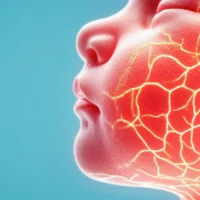
A facial nerve injury at birth can affect a newborn’s ability to move one side of the face, close an eyelid, suck, or make normal facial expressions. Although many birth-related facial nerve injuries improve on their own, persistent weakness can have lasting consequences. When the injury results from excessive force, improper use of delivery instruments, or another form of medical negligence, establishing what happened during labor and delivery may be essential to a birth injury malpractice claim.
Kalfayan Merjanian, LLP represents families whose children have suffered birth injuries in California due to medical negligence. Understanding how neonatal facial nerve injuries occur, how they are diagnosed, and what evidence may indicate that an injury was caused by negligent medical care can help parents understand the issues that may arise in a birth injury lawsuit.
What Is a Facial Nerve Injury at Birth?
The facial nerve, also known as the seventh cranial nerve, controls many of the muscles responsible for facial movement. In a newborn, injury to this nerve can cause weakness or paralysis on one side of the face. The condition is sometimes referred to as neonatal facial nerve palsy or traumatic facial nerve palsy.
A facial nerve injury caused by birth trauma may become apparent when the baby cries. The affected side of the mouth may not move normally, creating an asymmetrical appearance. In more significant cases, the infant may have weakness involving a larger portion of one side of the face, including difficulty closing the affected eye.
Not every newborn with facial asymmetry has suffered a traumatic nerve injury. Some facial differences are associated with congenital or developmental conditions rather than an injury during labor. Distinguishing between these possibilities can therefore be important when evaluating whether medical negligence caused the condition.
How Can Facial Nerve Injuries Occur During Delivery?
The facial nerve travels through the skull near structures that can be subjected to pressure during childbirth. During a difficult delivery, pressure on the nerve can result in temporary or, less commonly, permanent dysfunction.
Forceps-assisted delivery is a recognized risk factor for neonatal facial nerve injury. When forceps are used, improper positioning, excessive force, or pressure in the wrong location may injure the nerve. Medical literature describes compression of the facial nerve near the stylomastoid foramen and the facial canal as mechanisms by which forceps can produce facial paralysis.
Importantly, however, facial nerve palsy is not limited to forceps deliveries. Research has documented cases following vaginal deliveries without forceps, and pressure during the delivery itself may contribute to an injury. One study found that approximately 76% of infants with traumatic facial palsy in the study population were delivered without forceps, demonstrating why the circumstances of each delivery must be examined individually.
That distinction is important in a birth injury lawsuit. The presence or absence of forceps does not, by itself, establish or disprove negligence.
Does Forceps Use Mean a Doctor Caused the Facial Nerve Injury?
Forceps can be used appropriately during an assisted delivery, and the occurrence of facial nerve palsy does not automatically mean that the physician or another healthcare provider was negligent.
Proving medical negligence requires more than establishing that an injury occurred. The circumstances surrounding the decision to use forceps, the positioning and application of the instrument, the amount of force used, the baby’s position, the mother’s condition, the progression of labor, and the medical indications for an assisted delivery may all be relevant.
For example, an infant may develop facial weakness after a properly performed forceps delivery even when the provider complied with the applicable standard of care. Conversely, evidence may indicate that an instrument was applied improperly or that excessive force was used.
A birth injury investigation therefore needs to examine the complete delivery record rather than assuming that the use of an instrument either proves or disproves negligence.
What Are the Symptoms of a Facial Nerve Birth Injury?
The symptoms can vary depending on the severity and location of the nerve injury. Parents or medical professionals may notice that one side of the baby’s face does not move normally when the infant cries. The lower portion of the face may appear uneven, or the corner of the mouth may move differently on one side. In a more extensive facial nerve injury, weakness can extend from the forehead through the cheek and mouth.
An infant may also have difficulty completely closing the eye on the affected side. This can require medical attention because the eye may need protection from drying or injury.
Facial movement can also be important to feeding. Depending on the severity and associated injuries, weakness may interfere with the baby’s ability to suck or coordinate normal feeding.
Because some cases are subtle, facial nerve dysfunction may not immediately be recognized as a birth injury. A parent may first notice facial asymmetry after leaving the hospital or after seeing the child make certain facial expressions.
How Is a Facial Nerve Injury Diagnosed?
Diagnosis generally begins with a physical examination of the newborn. Physicians can evaluate facial movement and determine which portions of the facial nerve appear to be affected.
In uncomplicated cases, extensive diagnostic testing may not be necessary. MedlinePlus notes that nerve conduction testing may occasionally be used to help identify the location of a nerve injury and provide prognostic information, while brain imaging is generally reserved for circumstances in which another underlying problem is suspected.
For purposes of a potential birth injury claim, however, the medical record may contain valuable information beyond the ultimate diagnosis. The timing of the first documented facial weakness, observations made by nurses and physicians, delivery notes, neonatal examinations, and subsequent pediatric evaluations may help establish when the condition became apparent.
Do Facial Nerve Birth Injuries Usually Heal?
Many traumatic neonatal facial nerve injuries improve without permanent impairment. For example, a study of 28 newborns with facial nerve palsy associated with forceps use found that all 21 children with adequate long-term follow-up ultimately recovered completely, with an average recovery period of 24 days. Another study involving traumatic facial palsy in newborns found that 93% of affected infants experienced spontaneous recovery within two months.
These outcomes are important context, and while promising, they clearly show that not every infant will recover completely. Persistent facial weakness can still occur. Medical literature has identified cases in which facial paralysis remained after the expected recovery period.
The prognosis depends on the nature and severity of the injury and other clinical factors. A child’s medical team may monitor facial movement over time to determine whether the nerve is recovering.
What Happens When Facial Nerve Damage Does Not Resolve?
Persistent facial nerve weakness can create problems beyond the appearance of facial asymmetry. A child may have difficulty making certain facial expressions or closing an eye normally. Depending on the location and severity of the injury, facial movement can remain noticeably different on one side.
The long-term consequences can also have social and emotional implications as a child grows older. Facial expressions are an important part of communication, and persistent asymmetry can affect how a child interacts with others.
The appropriate medical response depends on the individual circumstances. Children with persistent facial paralysis may require specialized evaluation and therapy, while some severe or unusual cases may require additional intervention.
For a legal claim, the long-term prognosis can also affect the damages analysis. An injury that resolves completely within several weeks presents a substantially different set of consequences from permanent facial paralysis.
What Evidence Can Show Whether Medical Negligence Caused the Injury?
When a child develops facial nerve palsy after birth, the medical records can provide important evidence about what occurred during labor and delivery.
The complete prenatal and delivery record may be relevant, including documentation of fetal position, labor progression, fetal monitoring, delivery complications, and the reason for any intervention.
If forceps were used, the medical record may document the indication for the procedure, the type of instrument used, the baby’s position, the number of attempts, and other details concerning the assisted delivery. Other delivery interventions may also need to be evaluated.
Fetal monitoring records can provide another important source of evidence. Depending on the circumstances, the fetal heart rate tracing may help establish whether there were complications during labor and how the medical team responded to them.
Witness accounts can also be relevant. The mother may remember what was explained about the delivery and whether concerns were raised during labor. Nurses, physicians, and other healthcare professionals may have documented observations that are important to reconstructing the events.
Medical experts can then review this evidence to determine whether the care provided complied with the applicable standard of care and whether a departure from that standard caused the child’s injury.
Why Is It Important to Distinguish Birth Trauma From a Congenital Condition?
One of the challenges in a facial nerve birth injury case is determining whether the facial weakness resulted from trauma during delivery or existed because of another condition.
Certain congenital conditions can produce facial asymmetry or facial paralysis without an injury occurring during labor. Medical literature specifically recognizes the need to distinguish traumatic facial palsy from developmental facial paralysis associated with conditions such as Möbius syndrome, hemifacial microsomia, or congenital hypoplasia of certain facial muscles.
The child’s condition before, during, and immediately after birth can therefore be important.
If facial weakness was documented immediately following a difficult instrument-assisted delivery, that timing may provide evidence relevant to causation. But timing alone does not necessarily establish negligence. Medical experts may need to evaluate the delivery circumstances, clinical findings, and alternative explanations.
What Damages Can a Facial Nerve Birth Injury Cause?
The damages associated with a facial nerve injury depend largely on its severity and prognosis.
A temporary injury that resolves quickly may require relatively limited medical care. A permanent injury can involve continuing medical evaluation, treatment, therapy, and other services.
A serious injury may also affect a child’s future in ways that cannot be measured solely through the initial hospital bills. If the child experiences permanent impairment, the family may need to consider future medical needs and other consequences of the injury.
California wrongful and personal injury law provides different categories of damages depending on the nature of the claim and the person bringing it. Determining which damages may be available requires examining the specific facts and applicable law.
For a birth injury claim, it can therefore be important to understand not only what happened during delivery but also what the child’s physicians expect to happen in the future.
How Can a Birth Injury Attorney Investigate a Facial Nerve Injury?
A thorough investigation may begin with obtaining the child’s complete medical records, including prenatal records, labor and delivery records, fetal monitoring strips, neonatal records, discharge records, and subsequent pediatric and specialist records.
The attorney may also examine records concerning any delivery instruments used and the circumstances leading to their use. Depending on the case, medical experts may be asked to review the records and determine whether the care provided met the applicable standard.
The child’s continuing medical history can be equally important. Follow-up examinations may establish whether facial movement has returned to normal, whether weakness persists, and whether additional treatment is recommended.
Because many neonatal facial nerve injuries resolve relatively quickly, documenting the child’s condition at each stage may be particularly important. Conversely, if the injury persists, long-term medical documentation can help establish its significance.
Pursuing Answers After a Facial Nerve Birth Injury in California
Facial nerve injuries are among the birth injuries that may initially appear less serious than some other forms of neonatal trauma, particularly when physicians expect the condition to resolve. Many infants do recover, but some experience persistent facial weakness or other complications.
When a child suffers a facial nerve injury during delivery, parents may reasonably want to understand why it happened. Determining whether the injury resulted from unavoidable birth trauma, an underlying condition, or negligent medical care requires a careful review of the medical evidence and the circumstances surrounding the delivery.
Kalfayan Merjanian, LLP represents families whose children have suffered birth injuries and can investigate the medical records, delivery circumstances, and expert evidence necessary to evaluate a potential claim. If your child experienced facial weakness or facial paralysis after birth and you have concerns about the care provided during labor or delivery, contact Kalfayan Merjanian, LLP to discuss what happened and learn about your legal options.
