

Evidence to Preserve After a California Wildfire
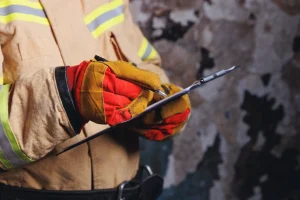
The days and weeks following a wildfire are often chaotic. Families may be displaced from their homes, businesses may be struggling to resume operations, and property owners are understandably focused on cleanup and recovery. While these concerns are immediate and important, another critical issue deserves attention: preserving evidence.
Evidence plays a central role in both insurance claims and wildfire litigation. The documentation collected after a wildfire can affect the amount of compensation available, the ability to prove losses, and the success of any legal claims against responsible parties. Unfortunately, valuable evidence can disappear quickly as cleanup begins, damaged property is discarded, and memories fade.
Whether a wildfire damaged a home, business, rental property, agricultural operation, or personal belongings, taking steps to preserve evidence can help protect your rights and strengthen your recovery efforts.
At Kalfayan Merjanian, LLP, we help wildfire victims document losses, preserve critical evidence, and pursue compensation through insurance claims and litigation. Understanding what evidence to preserve is often one of the most important steps in the recovery process.
Why Evidence Matters After a Wildfire
Most wildfire claims involve proving two separate issues. First, victims must establish the extent of their losses. Insurance companies, opposing parties, and courts often require documentation showing the nature and value of the damage. Second, in wildfire litigation, evidence may be necessary to establish how the fire started and who may be responsible. Utility companies, contractors, government entities, manufacturers, and other parties may become subjects of investigation when a wildfire is traced to human activity or equipment failures. The stronger the evidence, the easier it becomes to pursue compensation and resolve disputes.
Photograph and Video Everything
One of the most important things a property owner can do after a wildfire is create a visual record of the damage. As soon as it is safe to access the property, take extensive photographs and videos from multiple angles. Document structural damage, smoke contamination, ash deposits, damaged landscaping, destroyed personal property, vehicles, equipment, inventory, and any other affected areas. Do not focus solely on the most obvious damage. Seemingly minor conditions may become important later as experts evaluate the full scope of the loss. Visual evidence often becomes invaluable when insurance companies, investigators, or opposing parties question the extent of the damage.
If you haven’t been impacted by a wildfire but are concerned you might be, take the time now to make an inventory of your property, including photos and videos. If property is later damaged or destroyed in a wildfire, you have a great record of what was harmed or lost.
Preserve Damaged Personal Property
Many people begin discarding damaged belongings immediately after returning to their property. While cleanup is understandable, disposing of items too quickly can create problems later. Whenever possible, damaged items should be photographed and documented before removal. Furniture, appliances, electronics, clothing, artwork, tools, inventory, machinery, and other personal property may help establish both the extent of contamination and the value of losses. In some situations, experts may need to inspect damaged property before it is discarded. Preserving evidence does not mean keeping every damaged item forever, but it does mean carefully documenting losses before cleanup efforts begin.
Keep Insurance Documents and Communications
Insurance claims generate a significant amount of paperwork. Property owners should maintain copies of insurance policies, claim submissions, photographs, correspondence, inspection reports, estimates, payment records, and communications with adjusters. It is also helpful to keep notes regarding phone conversations, including the date, time, participants, and substance of the discussion. Insurance disputes often arise months after a wildfire. Maintaining organized records can make those disputes much easier to address.
Document Cleanup and Repair Costs
Wildfire recovery often involves substantial expenses before an insurance claim or lawsuit is resolved. Property owners should save receipts, invoices, contracts, estimates, and proof of payment for all wildfire-related expenses. These may include emergency repairs, debris removal, smoke remediation, temporary housing, equipment rental, security measures, and restoration services. Detailed financial records help establish the true cost of recovery and may support both insurance claims and litigation. Without documentation, recovering these expenses can become more difficult.
Preserve Evidence of Smoke and Ash Contamination
Smoke and ash damage are among the most frequently disputed wildfire losses. Unlike fire damage, contamination is not always visible. Smoke particles may become embedded in insulation, HVAC systems, electronics, furnishings, inventory, and building materials. Property owners should document visible residue, photograph affected areas, and retain reports from environmental consultants, remediation contractors, or air quality specialists when available. Testing results, contamination assessments, and remediation recommendations may become important evidence if disputes arise regarding the severity of smoke damage.
Business Owners Should Preserve Financial Records
Businesses often suffer losses that extend far beyond physical property damage. Business interruption claims frequently depend on financial records demonstrating lost income and operational disruptions. Business owners should preserve tax returns, profit and loss statements, payroll records, contracts, invoices, sales reports, inventory records, and customer communications. Records showing business performance before and after the wildfire can be particularly important. The ability to prove economic losses often depends on the quality and completeness of the documentation available.
Medical Records May Be Important
Wildfires sometimes cause physical injuries, respiratory complications, smoke inhalation injuries, and other health problems. Individuals who seek medical treatment should retain copies of medical records, bills, prescriptions, diagnostic testing results, and treatment recommendations. Medical documentation may be critical in personal injury claims arising from wildfire-related exposure or injuries. These records can also help establish the connection between the wildfire and the resulting medical condition.
Evidence Related to the Cause of the Fire
In large wildfire cases, investigators often work to determine how the fire started and whether human conduct contributed to the ignition. Although government agencies and experts typically conduct formal origin-and-cause investigations, property owners may possess information that later becomes important. Photographs, videos, witness observations, utility-related issues, reports of downed power lines, equipment malfunctions, unusual activity, or other observations should be documented and preserved whenever possible. Even information that seems insignificant at first may later help establish liability.
Avoid Relying on Memory Alone
As time passes, memories fade. Wildfire victims often experience stress, displacement, and numerous competing demands during the recovery process. Important details that seem unforgettable immediately after the fire may become difficult to recall months later. Keeping written notes, timelines, photographs, and organized records can help preserve information while it is still fresh and accurate. These records often become valuable when claims, investigations, or litigation continue long after the wildfire has ended.
Why Early Legal Guidance Matters
Wildfire claims frequently involve multiple issues at the same time. Property damage, smoke contamination, insurance disputes, business losses, personal injuries, and liability investigations may all arise from a single event. An attorney can help identify the evidence that should be preserved, coordinate with experts, evaluate insurance issues, and investigate whether responsible parties may be liable for the losses. Early action helps prevent critical evidence from being lost and places victims in a stronger position throughout the recovery process.
How Kalfayan Merjanian, LLP Helps Wildfire Victims
At Kalfayan Merjanian, LLP, we understand that recovering from a wildfire requires more than simply rebuilding damaged property. Protecting your legal rights begins with preserving the evidence necessary to support your claim. Our firm helps wildfire victims document losses, evaluate insurance claims, investigate potential liability, and pursue compensation from all available sources. Whether your losses involve a home, business, rental property, smoke contamination, personal injury, or wrongful death, we are committed to helping our clients build the strongest possible claim. If you have been affected by a California wildfire, preserving evidence today may make a significant difference in your recovery tomorrow.
Frequently Asked Questions
What evidence should I preserve after a wildfire?
Photographs, videos, damaged property, insurance records, receipts, repair estimates, financial records, medical records, and any documentation relating to the fire and your losses should be preserved whenever possible.
Should I throw away damaged belongings after a wildfire?
Not immediately. Damaged items should be photographed and documented before disposal so they can serve as evidence of your losses.
How do I prove smoke damage after a wildfire?
Photographs, contamination reports, air quality testing, remediation estimates, expert evaluations, and documentation of affected property can help establish smoke-related losses.
What records should businesses keep after a wildfire?
Businesses should preserve financial statements, tax returns, payroll records, inventory records, contracts, invoices, sales reports, and documentation of all wildfire-related disruptions and expenses.
Why is evidence preservation important in wildfire lawsuits?
Evidence helps establish both the extent of the losses and, in many cases, the cause of the wildfire. Preserving evidence can significantly strengthen insurance claims and litigation efforts.
Contact Kalfayan Merjanian, LLP
If your home, business, or property has been damaged by a California wildfire, the steps you take today can affect your ability to recover compensation in the future. Preserving evidence is one of the most important ways to protect your rights and strengthen your claim. Contact Kalfayan Merjanian, LLP today to discuss your wildfire losses, learn what evidence should be preserved, and explore your options for recovering the compensation you deserve.
