
Drunk Drivers Who Hit Pedestrians: Civil Claims Beyond the Criminal Case
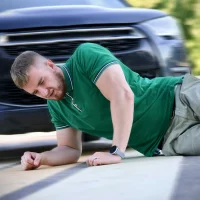
A pedestrian struck by a drunk driver often suffers catastrophic or fatal injuries. Unlike occupants of passenger vehicles, pedestrians have little protection against the force of a collision. Broken bones, traumatic brain injuries, spinal cord injuries, internal organ damage, and wrongful death are tragically common outcomes when alcohol-impaired drivers strike people on foot.
When the drunk driver is arrested, victims and their families often assume that the criminal justice system will bring justice and accountability. While a criminal prosecution is important, it serves a different purpose than a civil lawsuit. Criminal courts are focused on punishing unlawful conduct and protecting the public. A civil claim is designed to compensate injured victims and surviving family members for the losses they have suffered in terms of economic damage and emotional harm.
A criminal case rarely provides any financial relief to the victims, regardless of how seriously they were hurt. For most families, pursuing a civil claim is the only way to recover compensation for medical expenses, lost income, pain and suffering, funeral costs, and the long-term financial impact of a preventable tragedy. At Kalfayan Merjanian, LLP, our California personal injury trial attorneys help pedestrian accident victims and families get financial justice when another party’s poor choices caused immeasurable harm.
Criminal DUI Charges and Civil Lawsuits Are Separate Proceedings
When a driver is arrested for driving under the influence after striking a pedestrian, the state decides whether to file criminal charges. Depending on the circumstances, those charges may include DUI causing injury, vehicular manslaughter while intoxicated, or even murder under California’s implied malice doctrine in particularly egregious cases. A criminal conviction may result in jail or prison time, fines, probation, license suspension, and other penalties. However, those penalties do not compensate the injured pedestrian or the victim’s family.
A civil lawsuit proceeds independently of the criminal case. Even if prosecutors decline to file charges or the driver is acquitted, an injured pedestrian may still have a viable personal injury claim because the burden of proof in civil court is lower than the burden required for a criminal conviction; while prosecutors must prove a criminal case “beyond a reasonable doubt,” civil cases are decided based on a “preponderance of the evidence.” The rules regarding evidence, jury proceedings, and other important matters also differ.
How DUI Evidence Can Strengthen a Civil Claim
Evidence gathered during a criminal DUI investigation often becomes valuable evidence in a related civil lawsuit. Depending on the circumstances, valuable evidence may include, for example:
- Breath or blood alcohol test results.
- Police body camera footage.
- Dash camera recordings.
- Field sobriety test observations.
- Officer reports describing the driver’s appearance, behavior, and statements.
- Witness testimony regarding erratic driving before the collision.
- Crash reconstruction evidence documenting speed, braking, and impact.
This evidence may help establish that the driver acted negligently—or even recklessly—when choosing to operate a motor vehicle while impaired. In many cases, an attorney will also seek cell phone records, surveillance video, vehicle event data recorder (“black box”) information, and toxicology reports to develop a complete understanding of how the collision occurred.
Negligence Is Often Easier to Prove When Alcohol Is Involved
Every California driver has a legal duty to operate a vehicle with reasonable care. Driving while impaired by alcohol or drugs provides compelling evidence that the driver breached that duty. Alcohol affects reaction time, judgment, coordination, vision, and decision-making—all of which are critical when sharing the road with pedestrians.
Even relatively low speeds can produce fatal injuries when a vehicle strikes someone on foot. An impaired driver may fail to notice a pedestrian in a marked crosswalk, react too slowly to avoid a collision, or fail to brake before impact. Although intoxication alone does not automatically establish civil liability, it often becomes a significant piece of evidence supporting a negligence claim.
California Law May Allow Punitive Damages in Drunk Driving Pedestrian Strikes
Most personal injury damages are intended to compensate victims for their losses. California law also recognizes another category of damages in limited circumstances: punitive damages. Under California Civil Code section 3294, punitive or exemplary damages may be awarded when the plaintiff proves by clear and convincing evidence that the defendant acted with oppression, fraud, or malice. In the context of drunk driving, California courts have recognized that punitive damages may be appropriate when a driver consciously disregards the safety of others by choosing to drive while intoxicated.
Evidence supporting punitive damages may include a significantly elevated blood alcohol concentration, excessive speeding, prior DUI convictions, participation in alcohol education programs, or other facts demonstrating that the driver knowingly engaged in highly dangerous conduct. Punitive damages are not awarded in every DUI case, but when they are available, they are intended to punish particularly reprehensible conduct and deter similar behavior in the future.
What Compensation Can an Injured Pedestrian Recover?
A pedestrian injured by a drunk driver may be entitled to recover compensation for both economic and noneconomic losses. Depending on the circumstances, damages may include, for example:
- Past and future medical expenses.
- Lost wages and diminished earning capacity.
- Physical pain and suffering.
- Emotional distress.
- Permanent disability or disfigurement.
- Rehabilitation and long-term care costs.
In catastrophic injury cases, attorneys often work with physicians, economists, vocational experts, and life-care planners to calculate the full extent of future losses.
What Happens if the Accident Was Fatal?
When a drunk driving collision results in death, California law allows certain surviving family members to pursue a wrongful death claim. Generally, a wrongful death action may be brought by the decedent’s surviving spouse, registered domestic partner, children, or other eligible heirs as provided by California law. A wrongful death claim seeks compensation for the family’s losses resulting from the death, which may include:
- Funeral and burial expenses.
- Loss of the deceased’s financial support.
- Loss of household services.
- Loss of love, companionship, comfort, care, assistance, protection, affection, society, and moral support.
- Loss of guidance and training in the case of deceased parents.
In addition to a wrongful death claim, California law may permit a separate survival action in certain circumstances. A survival action allows specified claims that belonged to the deceased before death to continue on behalf of the decedent’s estate. Recent changes to California law have expanded the damages that may be recoverable in some survival actions, making careful legal analysis especially important.
What If the Driver Has Limited Insurance?
Unfortunately, many DUI drivers carry only the minimum required automobile liability insurance, and more than one in five California drivers don’t carry insurance at all. An experienced attorney will investigate all potential sources of recovery, which may include uninsured or underinsured motorist coverage, umbrella insurance policies, employer liability if the driver was acting within the scope of employment, or other potentially responsible parties depending on the facts of the case. Identifying every available insurance policy can significantly affect the compensation ultimately recovered.
Why Early Investigation Matters
Important evidence can disappear quickly after a serious pedestrian accident. Surveillance footage may be erased, witnesses may move away, and physical evidence at the scene may be lost. Blood alcohol evidence and other toxicology findings also become critical pieces of evidence that should be preserved whenever possible. Early legal representation allows attorneys to obtain police reports, preserve evidence, communicate with investigators, interview witnesses, and begin building a comprehensive case while the evidence remains available.
How Kalfayan Merjanian, LLP Helps Victims and Families After Drunk Driving Pedestrian Accidents in California
At Kalfayan Merjanian, LLP, we understand that a drunk driving pedestrian accident can change a family’s life forever. While criminal prosecution may punish the driver, it does not address the financial and personal losses suffered by victims and their loved ones. Our firm conducts thorough investigations, works with accident reconstruction professionals and other experts when appropriate, and aggressively pursues full compensation through personal injury and wrongful death claims. We also evaluate whether punitive damages may be available under California law when a driver’s conduct demonstrates a conscious disregard for the safety of others.
If you or someone you love has been seriously injured or killed by a drunk driver, contact Kalfayan Merjanian, LLP, to discuss your legal rights and learn how we can help you pursue justice and accountability.
