
Category Archives: Medical

Medication Errors During Labor and Delivery: Risks to Mothers and Newborns
Medications play an important role in labor and delivery. They can help manage pain, stimulate contractions, prevent infection, control bleeding, and address complications that threaten the health of a mother or newborn. But when a medication is prescribed incorrectly, administered at the wrong dose, or not properly monitored, the consequences can be serious. A… Read More
Maternal Infection During Labor: When Can Delayed Treatment Harm a Newborn?
Infections during pregnancy and labor can develop into serious medical emergencies when warning signs are missed or treatment is delayed. Certain maternal infections can progress to sepsis, threaten the mother’s health, and increase the risk of infection or other complications in the newborn. When healthcare providers fail to recognize these risks or respond appropriately,… Read More

Newborn Jaundice and Kernicterus: When Delayed Treatment Can Cause Brain Damage
Newborn jaundice is common, but dangerously high bilirubin levels can cause permanent brain damage if medical providers fail to recognize and treat the condition promptly. In severe cases, untreated hyperbilirubinemia can lead to kernicterus, a form of bilirubin-related brain injury that can cause lifelong neurological disabilities. Most newborns with jaundice recover without lasting harm…. Read More
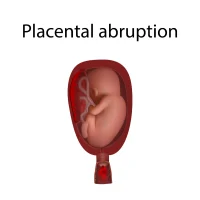
Birth Injuries Caused by Delayed Diagnosis of Placental Abruption
Placental abruption is a serious pregnancy complication that occurs when the placenta separates from the uterus before delivery. Because the placenta supplies a developing baby with oxygen and nutrients, this separation can quickly become dangerous. In severe cases, placental abruption can deprive a baby of oxygen, cause permanent brain damage, or lead to stillbirth…. Read More
Shoulder Dystocia During Delivery: When Can Medical Negligence Cause a Birth Injury?
Shoulder dystocia is a delivery complication that occurs when a baby’s head is delivered but one or both shoulders become lodged behind the mother’s pelvic bone. The situation can develop suddenly and requires prompt, coordinated action by the delivery team. Although many babies recover without lasting harm, shoulder dystocia can cause serious injuries when… Read More

Can You File a Wrongful Death Lawsuit After a Fatality in a California Hospital?
When a loved one dies after receiving medical care, surviving family members may struggle to understand whether the death was unavoidable or whether a medical mistake contributed to the loss. Fatal medication errors, surgical mistakes, delayed diagnoses, and failures to provide necessary treatment can have devastating consequences. However, not every unexpected death or unfavorable… Read More

Neonatal Seizures: When Can a Failure to Recognize Warning Signs Cause Preventable Harm?
Seizures in newborns can be difficult to recognize. Unlike seizures in older children or adults, neonatal seizures may involve subtle movements, brief changes in breathing, unusual eye movements, or episodes of unresponsiveness. Because a newborn cannot communicate what is happening, medical professionals must recognize concerning signs and determine whether urgent evaluation is needed. Neonatal… Read More
Fetal Asphyxia: Causes, Birth Injuries, and Medical Negligence
Fetal asphyxia occurs when a fetus or newborn does not receive adequate oxygen because blood flow or gas exchange has been significantly impaired before, during, or immediately after birth. A prolonged or severe oxygen shortage can cause damage to the brain and other organs and may result in permanent disabilities. For families facing these… Read More

Failure to Monitor Maternal Conditions During Pregnancy
Pregnancy requires regular monitoring because a mother’s health can change significantly as the pregnancy progresses. Conditions that develop during pregnancy, or even some that existed before conception, can affect both the mother and the developing baby. When these conditions are not identified, monitored, or appropriately managed, the consequences can include premature birth, oxygen deprivation,… Read More

Contraindicated Vaginal Delivery and California Birth Injury Claims
Vaginal delivery is appropriate for many pregnancies, but there are circumstances in which continuing with a vaginal birth may place a mother or baby at significant risk. Depending on the circumstances, a cesarean delivery may be medically indicated because of the baby’s position, a placental problem, fetal distress, a prior uterine surgery, an obstruction… Read More