
Injured as a Passenger in a California Car Accident: Who Can Be Held Responsible?
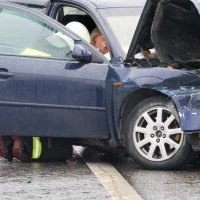
Passengers have little or no control over a car accident. They cannot react to how another driver behaves, and they do not choose whether the driver of their own vehicle follows traffic laws. Yet when a crash causes serious injuries, passengers can face medical bills, lost income, and months or years of recovery.
Fortunately, being a passenger does not prevent you from pursuing compensation. Depending on how the collision occurred, you might have a claim against the driver of the vehicle you occupied, another driver, or several parties. Available insurance coverage can also affect how you recover damages.
If you were injured while riding in a car, understanding your options can help you make informed decisions about your recovery. Kalfayan Merjanian, LLP represents people injured in serious California motor vehicle accidents and helps them identify potentially responsible parties and pursue compensation for their losses.
Can You Sue the Driver of the Car You Were Riding In?
Yes. If the driver of the vehicle you occupied caused or contributed to the accident through negligence, you can pursue a personal injury claim against that driver. Negligence means failing to use reasonable care under the circumstances. A driver might be negligent, for instance, by speeding, following too closely, running a red light, making an unsafe turn, texting while driving, or failing to yield the right-of-way.
For example, suppose you are riding with a friend who rear-ends another vehicle because they were distracted. If you suffer a back injury or concussion, you can pursue a claim against your friend’s auto liability insurance policy. You do not have to be a stranger to the driver to have a claim.
The same principle applies when the driver is a family member, spouse, or other person you know. Passengers sometimes hesitate to pursue claims because they do not want to create conflict or cause financial hardship for someone close to them. It is important to remember that in these situations, the claim is likely handled through insurance and might not involve any personal liability exposure, which is precisely why drivers carry it.
Unless some egregious conduct was involved, a passenger’s claim focuses on recovering compensation for injuries and related losses, not punishing someone they know. Still, the applicable policy language, exclusions, and available limits matter, particularly when the driver and passenger live in the same household or are related.
Can You Recover Compensation From Another Driver?
Yes. If another motorist caused the crash, you can pursue a claim against that driver’s liability insurance. Consider a situation in which you are a passenger in a car traveling through an intersection. Another driver runs a red light and strikes your vehicle. If the other driver caused the collision, their insurance may cover your injuries and related losses, subject to the policy limits and applicable law.
A claim against another driver can be available even if the driver of your vehicle did nothing wrong. You do not have to pursue a claim against the person who was driving your car simply because you were riding in it.
However, accidents are not always straightforward. Drivers may disagree about who had the right-of-way, whether someone was speeding, or which vehicle entered an intersection first. Evidence such as traffic camera footage, witness statements, photographs, vehicle damage, and accident reconstruction can help establish what happened.
Passengers should avoid assuming that the first driver’s account tells the whole story. An independent investigation can identify other parties who may share responsibility.
What Happens if Multiple Drivers Caused the Accident?
Some collisions involve negligence by more than one driver. For example, the driver of your vehicle might have been speeding when another motorist made an unsafe lane change. Both actions could have contributed to the crash and your injuries.
California follows a comparative negligence system. This means responsibility can be divided among parties according to their share of fault. An injured passenger can seek compensation from multiple drivers whose negligence contributed to the accident, subject to the rules governing liability and damages.
When multiple parties are responsible, California distinguishes between economic damages, such as medical expenses and lost income, and noneconomic damages, such as pain and suffering. Under California’s comparative fault and joint-liability rules, a defendant’s responsibility for economic and noneconomic damages can differ. In general, a single defendant can be held responsible for all of the economic damages suffered by the passenger, while responsibility for noneconomic damages is allocated only according to that defendant’s share of fault.
This distinction can become important when several drivers are involved and one has limited insurance coverage or insufficient assets. Determining each driver’s role in the crash and identifying all available insurance policies can help clarify the potential sources of recovery.
Passengers should not assume that a claim must be limited to one driver or one insurance company. The facts of the collision determine which parties may be liable.
What Insurance Covers an Injured Passenger in California?
The insurance available to an injured passenger depends on who caused the accident, which policies apply, and the terms and limits of those policies. Several types of coverage may be relevant.
The at-fault driver’s bodily injury liability insurance
California drivers must carry auto liability insurance in at least the minimum amounts required by law. Bodily injury liability insurance can pay for injuries caused by an insured driver, up to the policy limits.
If the driver of the car you occupied caused the crash, their liability policy may cover your injuries. If another driver caused the collision, that driver’s policy may provide coverage instead. When multiple drivers share responsibility, more than one liability policy may be involved.
California’s minimum required auto liability limits increased for policies issued or renewed under the law that took effect in 2025. The minimum bodily injury limits are $30,000 per injured person and $60,000 per accident, with higher limits available. Because serious injuries can produce expenses far beyond minimum coverage, identifying every applicable policy is important.
Medical payments coverage
Medical payments coverage, often called MedPay, can help pay certain medical expenses after a covered vehicle accident, regardless of who caused it. Whether it applies to a passenger depends on the policy and the circumstances.
MedPay limits are often much lower than the total cost of serious injuries. However, this coverage can help with eligible medical expenses while a liability claim is pending. Policy terms determine which expenses qualify and how payments interact with other coverage or a later settlement.
Uninsured and underinsured motorist coverage
Uninsured motorist (UM) coverage can provide protection when an at-fault driver has no applicable liability insurance. Underinsured motorist (UIM) coverage can help when the responsible driver’s liability limits are insufficient to cover the injured person’s losses, subject to the policy’s requirements and limits.
A passenger’s eligibility for UM or UIM benefits depends on the policies involved. Coverage might be available under the policy covering the vehicle they occupied, their own auto policy, or another applicable household policy. The policies’ terms and the facts of the accident determine which coverage applies and how benefits are coordinated.
These claims can involve specific notice requirements, proof requirements, and disputes over fault or the value of the injuries. Reviewing all potentially relevant policies can be essential when the at-fault driver’s insurance is unavailable or inadequate.
Other potentially applicable insurance
In some cases, additional coverage may be relevant. If the driver was working when the accident occurred, an employer’s insurance could come into play, depending on the circumstances. A commercial vehicle policy may apply when a crash involves a company vehicle or certain work-related driving.
Rideshare trips can involve separate insurance rules depending on whether the driver was waiting for a ride request, traveling to pick up a passenger, or transporting a passenger. These distinctions can affect the available limits.
An insurance investigation should consider the vehicle, the driver’s activities, the policies in force, and the circumstances of the collision rather than focusing only on the most obvious policy.
Can You File a Claim if You Were Riding With a Friend or Family Member?
Yes. A passenger can generally pursue a claim against a negligent driver even when that driver is a friend or relative. The relationship alone does not eliminate the driver’s legal responsibility. However, insurance details can complicate these claims. Some policies contain exclusions or limitations that affect coverage for household members, relatives, or particular circumstances. The language of the policy matters, and the availability of coverage should be verified rather than assumed.
It is also important to be truthful and consistent when reporting the accident and injuries. Passengers should obtain medical attention when needed, document their symptoms, and keep records of expenses and missed work. They should not feel pressured to minimize an injury or accept an informal payment before understanding the full extent of the harm.
A serious injury can require ongoing treatment that is not obvious in the first few days after a crash. Before resolving a claim, it is important to understand the likely medical course and the potential long-term consequences.
What Compensation Can an Injured Passenger Recover?
An injured passenger may be entitled to compensation for losses caused by the accident. The amount depends on the nature of the injuries, the effect on daily life, the available evidence, and the applicable insurance coverage.
Economic damages can include emergency care, hospitalization, surgery, medication, rehabilitation, future medical treatment, lost wages, and reduced future earning capacity. A person with a catastrophic injury may also need long-term care, assistive equipment, or modifications to their home.
Noneconomic damages can compensate for physical pain, emotional distress, inconvenience, and the loss of enjoyment of life. Serious injuries can affect sleep, mobility, family responsibilities, and the ability to participate in activities that were once routine.
Passengers who suffer permanent disabilities may need an evaluation of their future medical and financial needs. A claim should account for the full impact of the injury, not just the initial emergency room visit or the first few weeks away from work.
Insurance limits can restrict what is available from a particular policy, but that does not necessarily mean no other source of recovery exists. Identifying all liable parties and applicable coverage can be an important part of evaluating the claim.
What Should You Do After Being Injured as a Passenger?
If you are injured in a California car accident, your first priority should be medical care. Some injuries, including concussions and internal injuries, may not be immediately apparent. Follow medical advice and seek further evaluation if symptoms worsen or new symptoms develop.
When possible, preserve information about the crash, including the drivers’ names, insurance details, vehicle information, photographs, witness contact information, and the police report number. Keep records of medical treatment, prescriptions, travel costs, missed work, and other expenses related to the injury.
Be cautious when speaking with insurance adjusters, particularly before you understand the extent of your injuries. You should provide accurate information, but you do not need to speculate about fault or agree to a settlement before evaluating your losses.
California imposes a two-year deadline for filing a personal injury lawsuit, although exceptions can apply. Claims involving government entities, for example, can have much shorter deadlines. Prompt legal advice can help protect your rights and preserve important evidence.
How Can Kalfayan Merjanian, LLP Help Injured Passengers?
Passengers injured in car accidents often have claims even when they did not contribute to the collision. The challenge is determining who was responsible, which insurance policies apply, and what compensation is needed to address both current and future losses.
Kalfayan Merjanian, LLP, helps injured Californians investigate serious motor vehicle accidents, evaluate claims against one or more drivers, and pursue compensation for medical expenses, lost income, pain and suffering, and other damages. The firm can also help identify potential insurance coverage when the responsible driver is uninsured or carries insufficient limits.
If you were injured as a passenger in a California car accident, contact Kalfayan Merjanian, LLP to discuss what happened and understand your legal options. You deserve a thorough evaluation of your injuries, your potential claims, and the insurance coverage available to help you recover.
