
California Wildfire Season Is Already Heating Up: What Property Owners Need to Know
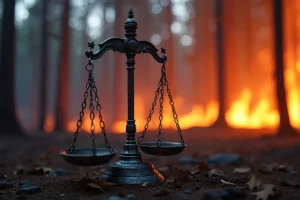
While many Californians associate wildfire season with the hottest months of summer, 2026 is proving that major wildfire activity can begin much earlier. Wildfires have already erupted across Southern California, forcing evacuations, destroying property, and raising concerns that the state could face another challenging fire season.
Experts are warning that June marks the beginning of a particularly dangerous period. Dry conditions, gusty winds, above-average temperatures, and an abundance of dried vegetation have combined to create conditions that allow fires to ignite easily and spread rapidly. As wildfire activity expands northward in the coming weeks, homeowners, businesses, and communities throughout California should be prepared for an elevated wildfire threat.
At Kalfayan Merjanian, LLP, our wildfire litigation attorneys monitor wildfire developments closely because the fires that occur today often become the civil litigation and insurance claims of tomorrow. Understanding the risks and legal issues associated with wildfire season can help property owners protect themselves before disaster strikes.
An Active Start to Fire Season
Southern California experienced multiple significant wildfires during May, prompting evacuation orders, road closures, and widespread smoke advisories. One of the largest was the Bain Fire in Riverside County. The fire ultimately burned approximately 1,473 acres near Jurupa Valley and Riverside after igniting on May 19. Evacuation orders and warnings were issued for numerous communities as firefighters battled the blaze in heavy vegetation. The fire injured several civilians and required a substantial multi-agency response before being fully contained.
Also in Riverside County, the Verona Fire ignited on the same day near the Green Acres and Homeland areas. The fire eventually burned approximately 638 acres and prompted evacuation orders and warnings affecting nearby residents. Firefighters were able to prevent more extensive damage, but the fire demonstrated how quickly conditions can deteriorate during periods of dry weather and strong winds.
Perhaps the most dramatic wildfire of the month was the Sandy Fire in Ventura County’s Simi Valley. The fire rapidly expanded to more than 2,100 acres and forced large-scale evacuations affecting tens of thousands of residents. Reports indicated that more than 17,000 residents remained under evacuation orders at one point, while broader evacuation warnings and orders impacted substantially more people throughout the area. At least one home was destroyed, and firefighting resources from multiple agencies were deployed to contain the blaze.
These fires occurred before California’s traditional peak summer heat arrived, underscoring the elevated risks already facing many communities.
Why Wildfire Risk Is Higher Than Normal This Year
Several factors have combined to create favorable wildfire conditions across California. Winter storms brought significant rainfall to many parts of the state, leading to substantial vegetation growth during the spring. While that moisture initially appeared beneficial, the vegetation dried out earlier than normal as temperatures increased and moisture levels declined. The result is an abundance of highly combustible fuel spread across hillsides, open spaces, and wildland areas.
At the same time, portions of California have experienced spring heat waves, below-normal humidity levels, and recurring periods of gusty winds. These conditions make it easier for fires to ignite and more difficult for firefighters to contain them once they start. Even relatively small ignition sources can quickly become dangerous under these circumstances.
Northern California’s Risk Is Increasing
Northern California has experienced lower wildfire activity so far this year compared to Southern California. Late-season storms and cooler temperatures helped vegetation retain moisture longer than expected, reducing fire danger during the early spring months. However, those conditions are changing. Forecasters expect wildfire risk to spread into Northern California throughout June as temperatures climb and vegetation continues to dry. Weather outlooks suggest much of California could experience warmer-than-average conditions throughout the summer.
Less mountain snowpack than in some recent years may also contribute to increased wildfire risk. Reduced snowmelt can lead to drier landscapes earlier in the season, creating conditions that support fire growth. As June progresses, communities throughout Northern California may begin facing the same elevated risks that Southern California experienced during May.
What the Summer Forecast May Mean for Wildfires
Current forecasts indicate California could experience a hotter-than-average summer extending through September. Extended periods of heat can dramatically increase wildfire danger by drying vegetation, lowering fuel moisture levels, and creating conditions that allow fires to spread rapidly across large areas. High temperatures also place greater strain on electrical infrastructure, increase recreational activity in fire-prone areas, and create more opportunities for accidental ignitions.
Although some weather models suggest that El Niño conditions could bring additional moisture later in the summer, long-range forecasts remain uncertain. Even if increased moisture does arrive, it may not necessarily reduce wildfire risks. Increased storm activity means increased lightning strikes, sometimes without significant rainfall reaching the ground. These so-called “dry thunderstorms” have historically been responsible for igniting numerous wildfires across California. As a result, even a wetter weather pattern could create new wildfire ignition risks depending on how storm systems develop.
Wildfire Losses Can Extend Far Beyond Property Damage
When a wildfire strikes, the losses often extend beyond the destruction of homes and buildings. Property owners may suffer:
- Structural damage to homes, businesses, and outbuildings
- Smoke, soot, and ash contamination
- Personal property losses
- Temporary housing expenses
- Business interruption losses
- Landscaping and vegetation damage
- Evacuation-related expenses
Many wildfire victims also face disputes with insurance companies regarding coverage, rebuilding costs, replacement value calculations, and policy limits. In large wildfire events, insurance coverage alone may not fully compensate victims for their losses.
Potential Legal Claims Following Major Wildfires
Many major California wildfires are ultimately traced to human causes. Utility equipment failures, contractor negligence, defective products, government failures, and other preventable events have contributed to some of the state’s most destructive fires. When a wildfire is caused by negligence or other wrongful conduct, affected property owners may have legal claims against responsible parties.
Depending on the circumstances, claims may involve utility negligence, inverse condemnation, dangerous conditions on public property, construction-related negligence, or other legal theories designed to help victims recover compensation beyond available insurance benefits.
Identifying the cause of a wildfire often becomes one of the most important aspects of the recovery process. Even when it appears a wildfire was sparked by nature, negligent land management can be the culprit that sends a blaze spiraling out of control and impacting private property.
Preparing for What May Be Ahead
The fires that occurred in May may be an early indication of what California could face throughout the summer and early fall. While no one can predict exactly how severe the season will become, the combination of abundant fuels, rising temperatures, and increasingly dry conditions suggests that wildfire risks are likely to remain elevated for months. Property owners should review their insurance coverage, document valuable property, maintain defensible space around structures, and stay informed about local fire conditions and evacuation alerts.
For those affected by a wildfire, understanding both insurance rights and potential legal claims can be critical to achieving a full recovery. At Kalfayan Merjanian, LLP, we help wildfire victims evaluate insurance disputes, investigate potential liability claims, and pursue compensation from all available sources. If you suffer losses during California’s wildfire season, contact our firm for a free consultation. Our experienced California trial attorneys are prepared to help you understand your rights and explore your options for recovery.
