
Burn Injury Reconstruction: The Economic and Emotional Cost of a Lifetime of Multiple Surgeries
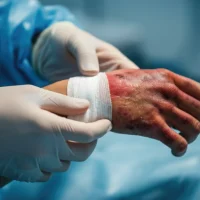
A serious burn injury does not necessarily end when the wounds close. For many survivors, the years after the initial hospitalization can involve reconstructive procedures, scar treatment, physical therapy, and additional medical care designed to restore movement, reduce pain, and improve appearance. Some people require multiple surgeries over many years, particularly when burns cause severe scarring or contractures that restrict movement.
At Kalfayan Merjanian, LLP, we understand that the consequences of a catastrophic burn injury can extend far beyond the initial emergency treatment. The financial and emotional costs can continue for years or even decades. When a burn injury was caused by someone else’s negligence or wrongful conduct, those long-term consequences should be considered when pursuing compensation.
Why Can Burn Injuries Require Reconstruction Years After the Initial Treatment?
Severe burns can permanently change the skin and underlying tissue. As wounds heal, scar tissue may become thick, tight, raised, or contract around joints and other areas of the body. Contractures can restrict movement and interfere with everyday activities, including walking, reaching, gripping objects, eating, or turning the head.
Reconstructive care may involve procedures such as scar revision, contracture release, skin grafting, tissue rearrangement, flap surgery, or other techniques intended to restore function or improve the appearance of affected areas. The American Burn Association describes burn reconstruction as part of a continuum of care that can extend from the initial treatment of the burn through lifelong reconstructive and scar-management interventions.
The need for additional treatment does not necessarily mean that something went wrong with the original burn care. Even with appropriate treatment and rehabilitation, significant burns can leave lasting scars and functional limitations that require additional procedures.
How Many Surgeries Will a Burn Survivor Need?
There is no fixed number of reconstructive procedures a person will require. The extent, depth, and location of the burns, whether joints are involved, the severity of scarring, and the individual’s response to treatment can all affect the course of reconstruction.
Research involving burn survivors demonstrates how substantial these needs can become. One study using data from the U.S. Burn Model System found that 27.4% of adults surveyed underwent at least one burn-related reconstructive operation within 24 months after their injury. Among those who had surgery, the average was nearly two operations during that period.
Longer-term studies also demonstrate that reconstruction can continue well beyond the initial recovery period. A 10-year follow-up study found that patients who required reconstructive surgery averaged several procedures, with some individuals undergoing substantially more. Scar contractures were among the most common reasons for reconstruction.
For some survivors, therefore, reconstruction is not a single event. It can become an extended process requiring repeated operations and rehabilitation.
What Are the Financial Costs of Multiple Burn Surgeries?
Every additional procedure creates another round of medical expenses. Depending on the circumstances, the costs may include surgical fees, hospital or outpatient facility charges, anesthesia, diagnostic testing, medications, wound and scar treatment, physical and occupational therapy, and follow-up appointments.
The financial impact can be particularly significant when reconstruction is accompanied by repeated periods of rehabilitation. Contracture surgery, for example, may be followed by additional physical or occupational therapy intended to preserve or improve the range of motion achieved through the procedure. Research has linked post-burn contractures and their surgical treatment with increased financial burdens and limitations on returning to work.
Insurance may cover some medical treatment, but coverage does not necessarily eliminate the financial consequences of a severe burn injury. Deductibles, copayments, uncovered services, travel to specialized care, and other out-of-pocket expenses can accumulate over time. For a person who cannot work because of the injury or repeated procedures, the economic impact can be even greater.
How Can Multiple Surgeries Affect a Person’s Ability to Work?
Recovery from reconstructive surgery can require additional time away from work. Depending on the affected part of the body and the type of procedure performed, a survivor may have temporary restrictions on lifting, standing, walking, driving, using the hands, or performing other job duties. The impact can become especially serious when someone has a physically demanding occupation. A worker whose hands, arms, legs, or other critical body areas were severely burned may face substantial difficulty returning to the same job even after extensive treatment.
Lost wages are only part of the potential economic loss. A serious burn injury may also affect a person’s future earning capacity, opportunities for advancement, ability to work overtime, retirement contributions, and employment-related benefits. When future reconstruction is likely, those potential losses may need to be evaluated rather than looking only at the income lost shortly after the accident.
The Emotional Impact of Repeated Reconstructive Surgery
The emotional burden of reconstruction can be difficult to separate from the physical injury itself. Burn survivors may have to repeatedly confront the trauma of the original event while preparing for another operation, another recovery period, and another round of rehabilitation.
Scarring can also affect body image, self-confidence, relationships, and willingness to participate in social activities. The American Burn Association recognizes body-image distress as an important issue for burn survivors and notes that scars and other permanent changes in appearance can continue to affect emotional adjustment even after medical treatment. Research involving burn survivors who underwent reconstructive procedures has also found associations with anxiety, depression, fatigue, and diminished quality of life.
These effects are not necessarily limited to the first months after an injury. A recent study of adults with head and neck burns found persistent differences in anxiety, depression, body image, and life satisfaction during follow-up, along with a greater need for contracture surgery among those with head and neck burns.
Reconstructive Surgery Be Emotionally Difficult Even When It Helps
Reconstruction can restore movement and improve appearance, but that does not mean the process is easy. Surgery itself can be painful and disruptive, and recovery may temporarily reduce independence. A person may need help with ordinary activities while wounds heal or while mobility is restricted. A 2026 study examining decision-making around burn scar surgery identified intense recovery, temporary loss of independence, disruption to daily life, and the importance of realistic expectations as significant considerations for survivors and families.
There can also be emotional disappointment when surgery produces improvement but does not eliminate scarring or restore the body to its pre-injury appearance. Reconstruction is generally intended to improve function, appearance, or quality of life, not to erase the history of the burn.
How Is Future Reconstruction Considered in a Burn Injury Claim?
A serious burn injury case should not be evaluated solely by looking at the medical bills already incurred. The question may also be what care the survivor is reasonably likely to require in the future. Future medical damages can be particularly important in a case involving extensive scarring, contractures, impaired mobility, or other permanent consequences. Evaluating those needs may require medical records, treating physicians, reconstructive surgeons, rehabilitation professionals, life-care planning, and economic analysis. A careful assessment can help demonstrate why the financial consequences of a burn injury may continue long after the initial hospitalization has ended.
What Other Losses Can Accompany the Cost of Reconstruction?
The expense of reconstruction is only one part of the harm caused by a catastrophic burn injury. A survivor may also experience chronic pain, limitations on daily activities, disfigurement, lost income, reduced future earning capacity, and the emotional consequences of living with permanent changes to the body. For some people, the loss is particularly profound when the injury affects the face, hands, or another highly visible or functionally important area. The combination of physical limitations, repeated treatment, and changes in appearance can alter virtually every part of a person’s life. That is why the long-term consequences of a burn injury should be evaluated as a whole rather than treating each surgery, medical bill, or period of lost work as an isolated event.
How Can Kalfayan Merjanian, LLP Help With a Serious Burn Injury Case in California?
A catastrophic burn injury can require a different kind of legal analysis from a short-term injury with a predictable recovery. At Kalfayan Merjanian, LLP, we take the time to understand not only how the burn occurred, but also how it is likely to affect the survivor’s life in the years ahead. That may include investigating the cause of the accident, preserving evidence, working with appropriate medical and rehabilitation professionals, evaluating future treatment, and documenting the economic and personal consequences of the injury. Our goal is to develop a complete understanding of what the survivor and family may face rather than focusing only on the immediate aftermath.
We also understand that repeated surgeries can carry an emotional cost that cannot be captured by a medical bill alone. Burn survivors may be forced to relive the trauma of their injury repeatedly as they undergo additional procedures and confront permanent changes to their appearance or abilities. We approach these cases with compassion while remaining diligent in pursuing the evidence needed to establish responsibility and obtain full and fair compensation.
Contact Kalfayan Merjanian, LLP About a Catastrophic Burn Injury
The consequences of a serious burn injury can continue long after the initial emergency is over. Multiple reconstructive surgeries, rehabilitation, lost income, permanent scarring, and emotional trauma can create a lifelong burden for survivors and their families. Kalfayan Merjanian, LLP represents people in California who have suffered catastrophic injuries because of another party’s negligence or wrongful conduct. Contact our firm to discuss your circumstances and learn how we can help pursue the compensation necessary to address both the immediate and long-term consequences of a serious burn injury.
